White has been the default kitchen color for a decade, and it is not slowing down in Bay Area remodels. But white is deceptively hard to get right. The shade, the sheen, the door style, and the material all decide whether a white kitchen reads crisp and modern or flat and clinical, and whether it still looks clean after two years of real cooking. This is a practical look at how to specify modern white cabinets that work in San Jose, San Francisco, and Peninsula homes, from choosing the right white to building it to stay white.
Why White Still Wins in Contemporary Bay Area Kitchens
White endures because it does several jobs at once. It bounces light, which makes the compact and sometimes dim kitchens common in older San Francisco and Peninsula homes feel larger and brighter. It reads as clean and calm, a welcome quality in a room that is often the busiest in the house. And it sits comfortably next to almost any counter, backsplash, floor, or hardware, so it does not lock you into a narrow set of downstream choices.
There is also a resale logic to it. In a competitive Bay Area market where kitchen photos drive first impressions, white presents as neutral and move-in ready, letting buyers project their own taste onto the space. That broad appeal is why white keeps showing up in remodels aimed at both living in a home and eventually selling it.
The catch is that white is unforgiving. Because there is no wood grain or mid-tone to hide behind, every choice of shade, sheen, and door line is visible. Done carelessly, white goes cold and builder-grade. Done deliberately, it looks architectural and intentional, which is what the rest of this comes down to.
Not All Whites Are the Same: Shade and Sheen
The word white covers a wide range, and the difference between a cool white and a warm one changes the entire mood of a kitchen. Cool, slightly blue-leaning whites feel crisp and contemporary and pair naturally with gray quartz, stainless appliances, and matte black hardware. Warm whites, with a hint of cream or greige, feel softer and less clinical, and they forgive everyday wear a little better because they are not stark. Neither is correct in the abstract; the right one depends on your light.
Light is the deciding factor, and Bay Area kitchens vary enormously in it. A kitchen with big windows and afternoon sun can carry a pure, cool white without feeling harsh. A north-facing or interior kitchen with less natural light often looks sterile in a stark white and better in a warmer tone that adds a touch of comfort. This is why testing a real painted sample in your own room, at different times of day, beats choosing from a chip under showroom lighting.
Sheen matters as much as color. A flat or matte finish reads modern and hides minor surface imperfections, but can be slightly harder to wipe clean. A satin or low-sheen finish is the common middle ground for white cabinets: contemporary enough, and easy to clean around handles and the sink. High gloss makes a bold, ultra-modern statement but shows every fingerprint and demands a flawless substrate underneath.
Door Styles That Read Modern in White
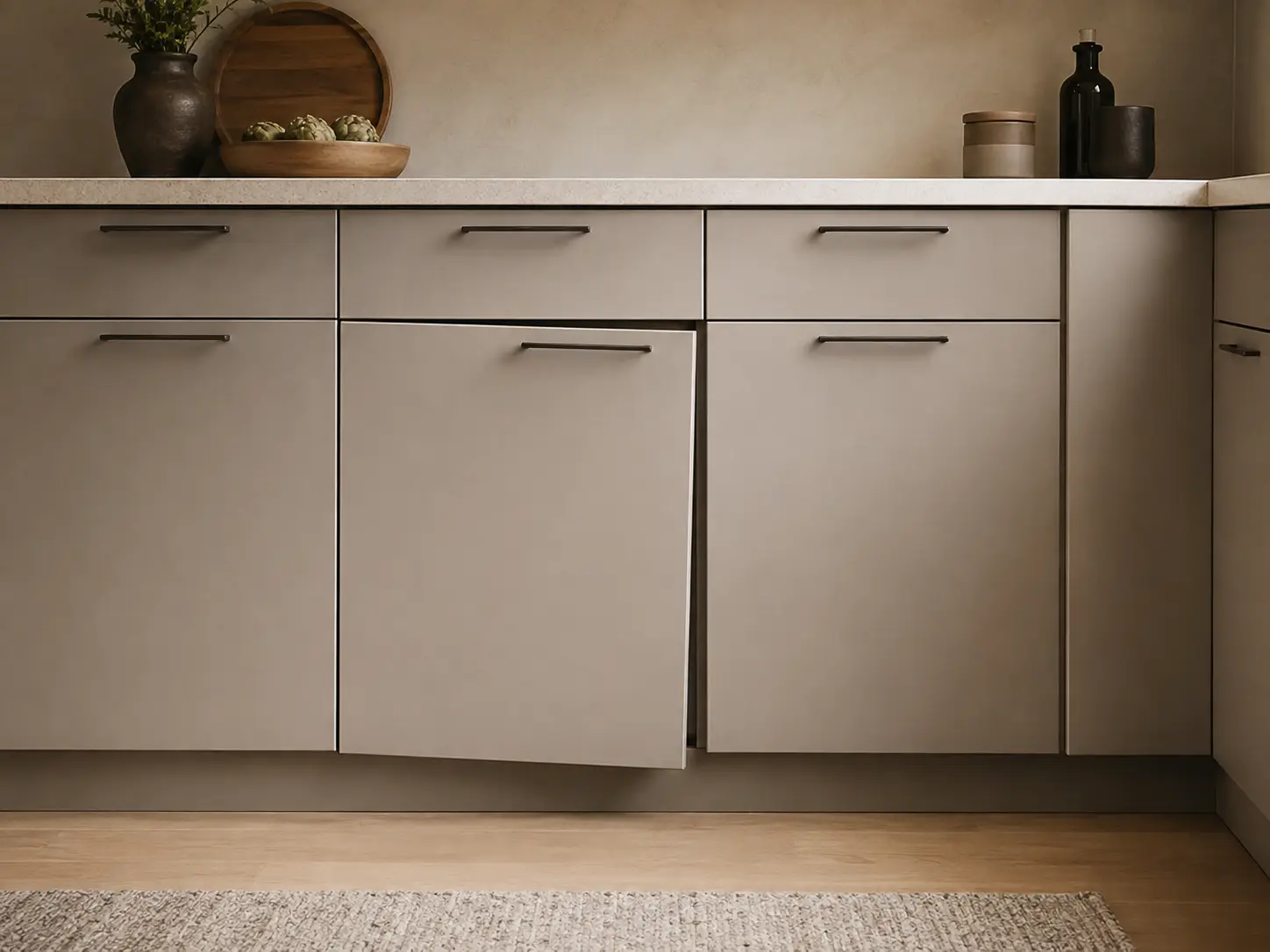
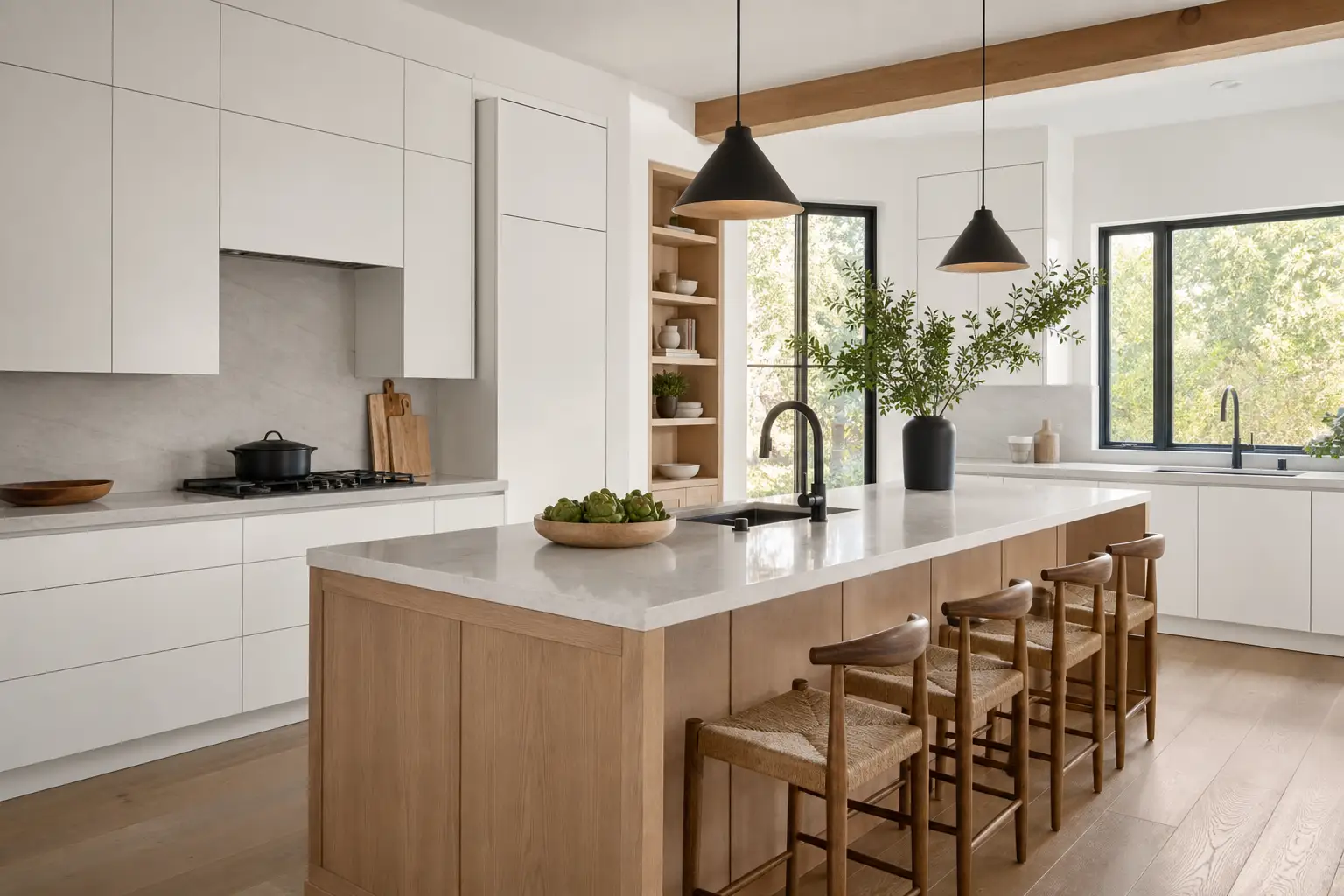
The door profile decides whether white looks contemporary or traditional more than the color does. For a clean modern look, slab and flat-panel doors are the shortest path. On a frameless box with narrow reveals, white slab fronts read as a continuous, nearly unbroken surface, especially with integrated or handleless pulls. This is the crisp, architectural white kitchen that dominates current design.
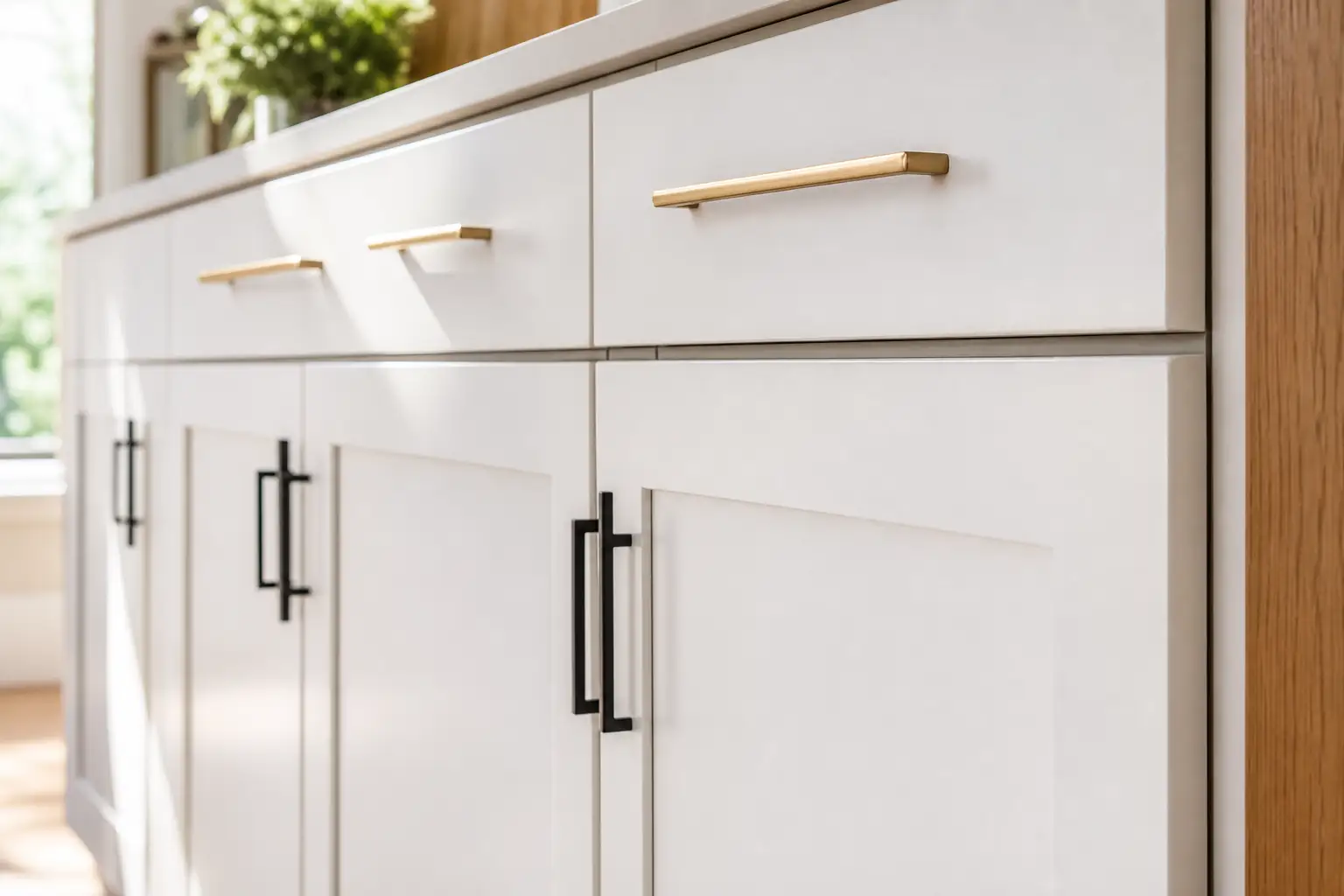
A full-overlay Shaker door in white sits a step toward transitional and still feels thoroughly current. Its single recessed panel adds just enough shadow line to avoid looking flat, which many homeowners prefer over a pure slab, while keeping the simplicity that keeps white feeling modern. It is a safe, widely loved choice that ages well.
What pulls white toward traditional is ornamentation: raised-panel doors, applied molding, beadboard, and heavy hardware. If your goal is a contemporary kitchen, avoid those profiles in white, since they emphasize the fussier associations of the color. Keep the lines simple and let the material and finish do the talking.
Building White to Stay White: Materials and Finish
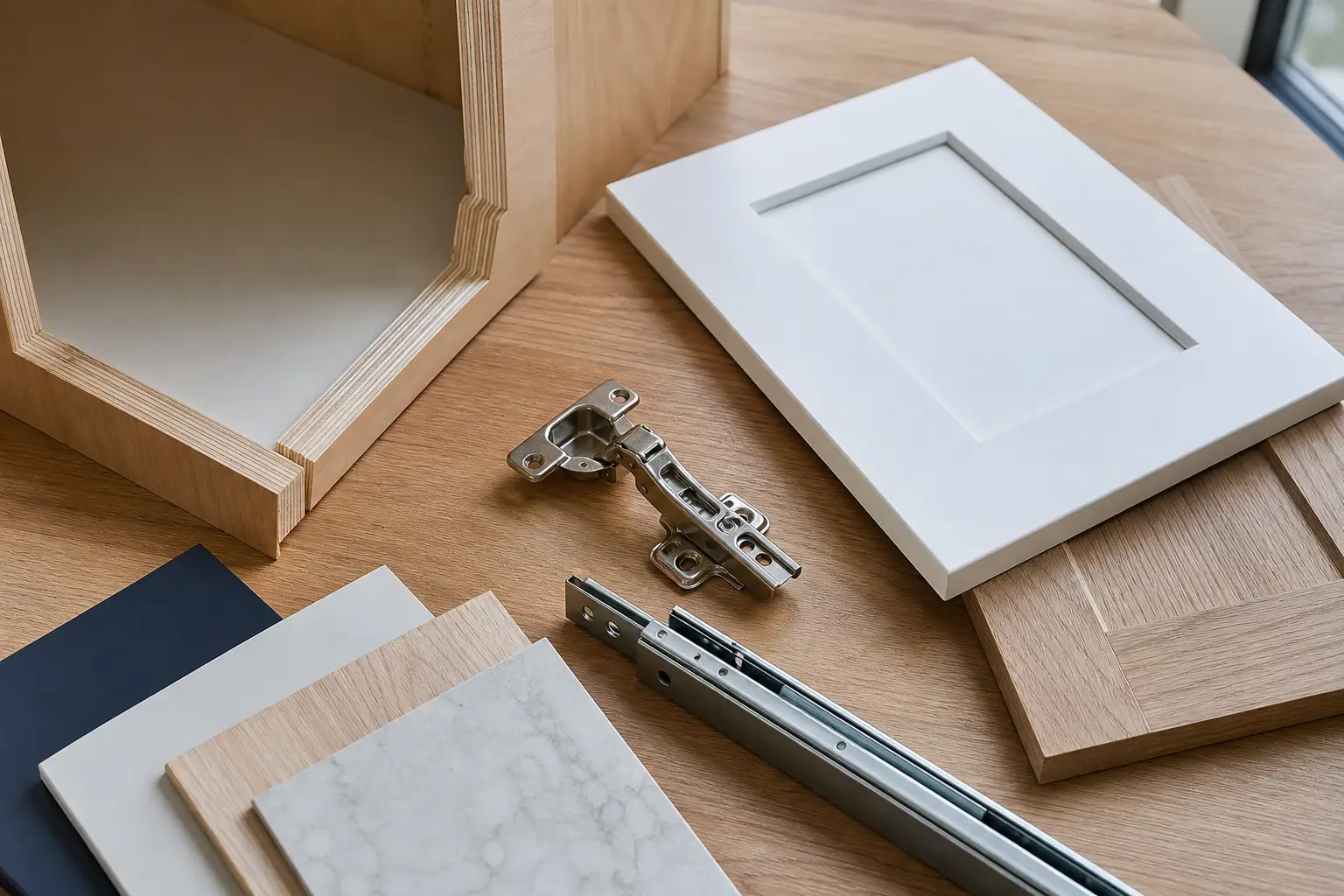
A white kitchen lives or dies on its finish, because the color hides nothing. For painted white doors, MDF is often the preferred substrate: it has no grain and no wood joints to telegraph through the paint, so it delivers the smoothest, most uniform white surface. Solid wood and veneer take paint well too, but a five-piece wood door can show faint joint lines over time as the wood moves seasonally, which MDF avoids.
How the finish is applied is what separates a white kitchen that stays crisp from one that yellows and chips. A quality painted finish is sprayed and cured in a controlled booth, often using modern waterborne or catalyzed coatings that resist yellowing far better than the old oil-based paints that gave white a bad reputation. Cure time is not optional; a properly hardened finish shrugs off the daily wiping a white kitchen needs, while a rushed coating marks and chips within months. Good ventilation in the kitchen, and a durable finish around the range, also help white hold its tone against cooking grease.
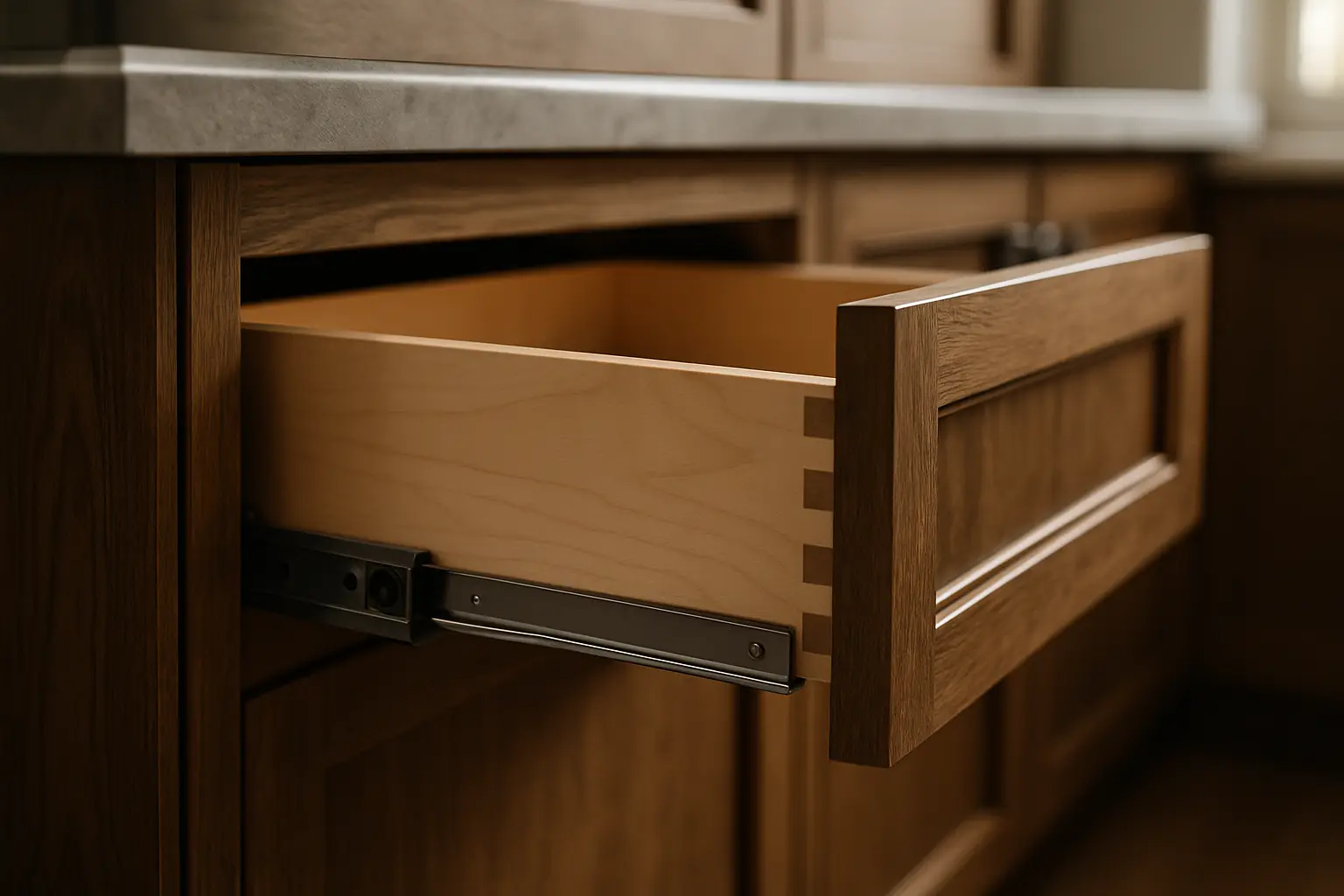
Underneath the color, the box still matters. A white kitchen built on 3/4-inch furniture-grade plywood boxes with dovetailed drawer boxes and soft-close hardware will look and function well for decades. The same doors on a flimsy particleboard box will sag and misalign, and misaligned white doors, with their tight reveals, show every bit of that drift. White rewards a solid build because it exposes a weak one.
Pairing White with Counters, Hardware, and Wood
White is a starting point, and the pairings around it set the final character. For counters, cool grays and soft whites in quartz keep a monochromatic, contemporary feel, while a warm-veined marble-look or a honed stone adds subtle depth. Hardware is where you set the tone: matte black or brushed brass pulls give crisp white a modern, deliberate edge, while satin nickel keeps it quiet and classic. Because white is neutral, you have unusual freedom here, so choose hardware as the accent that defines the room.
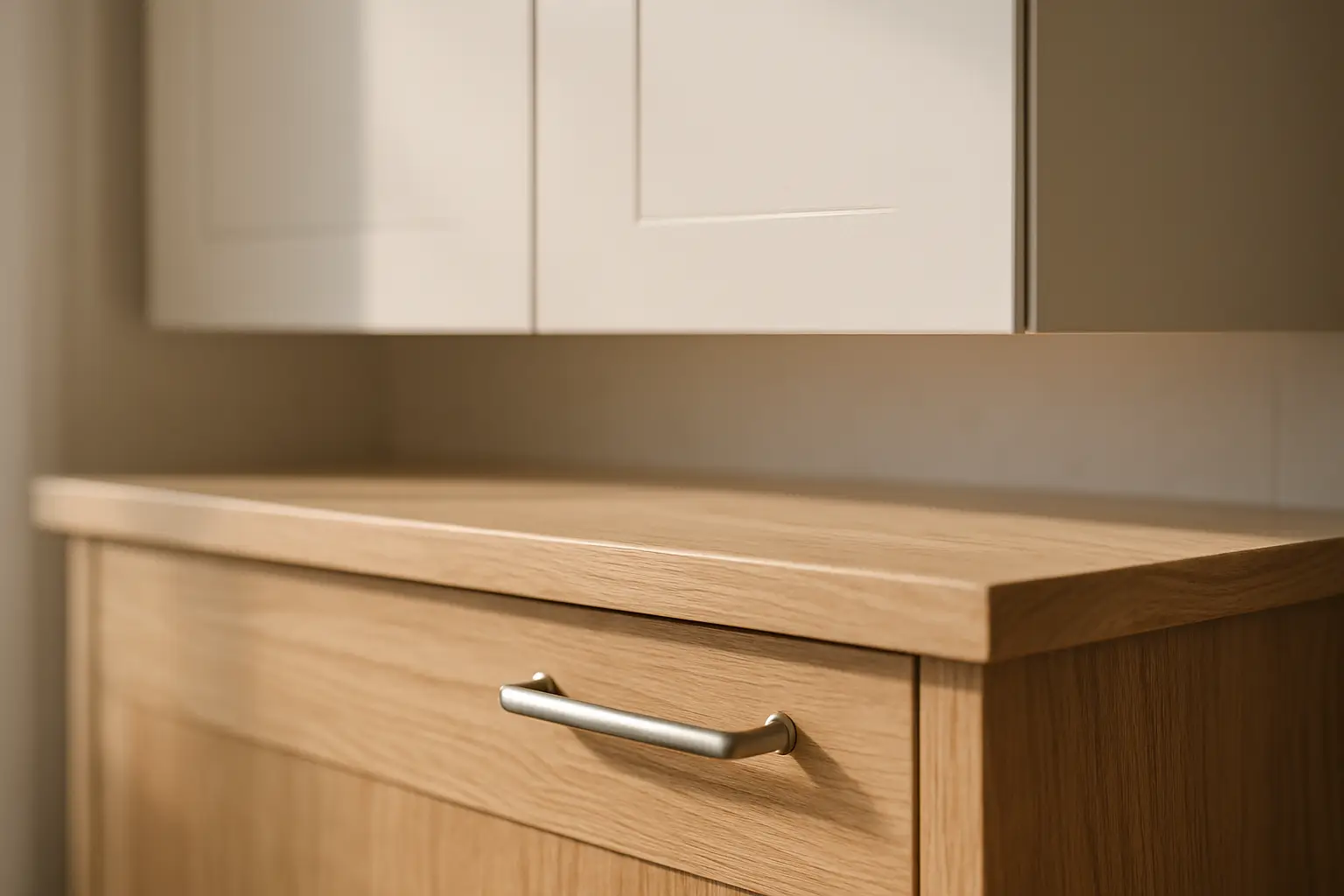
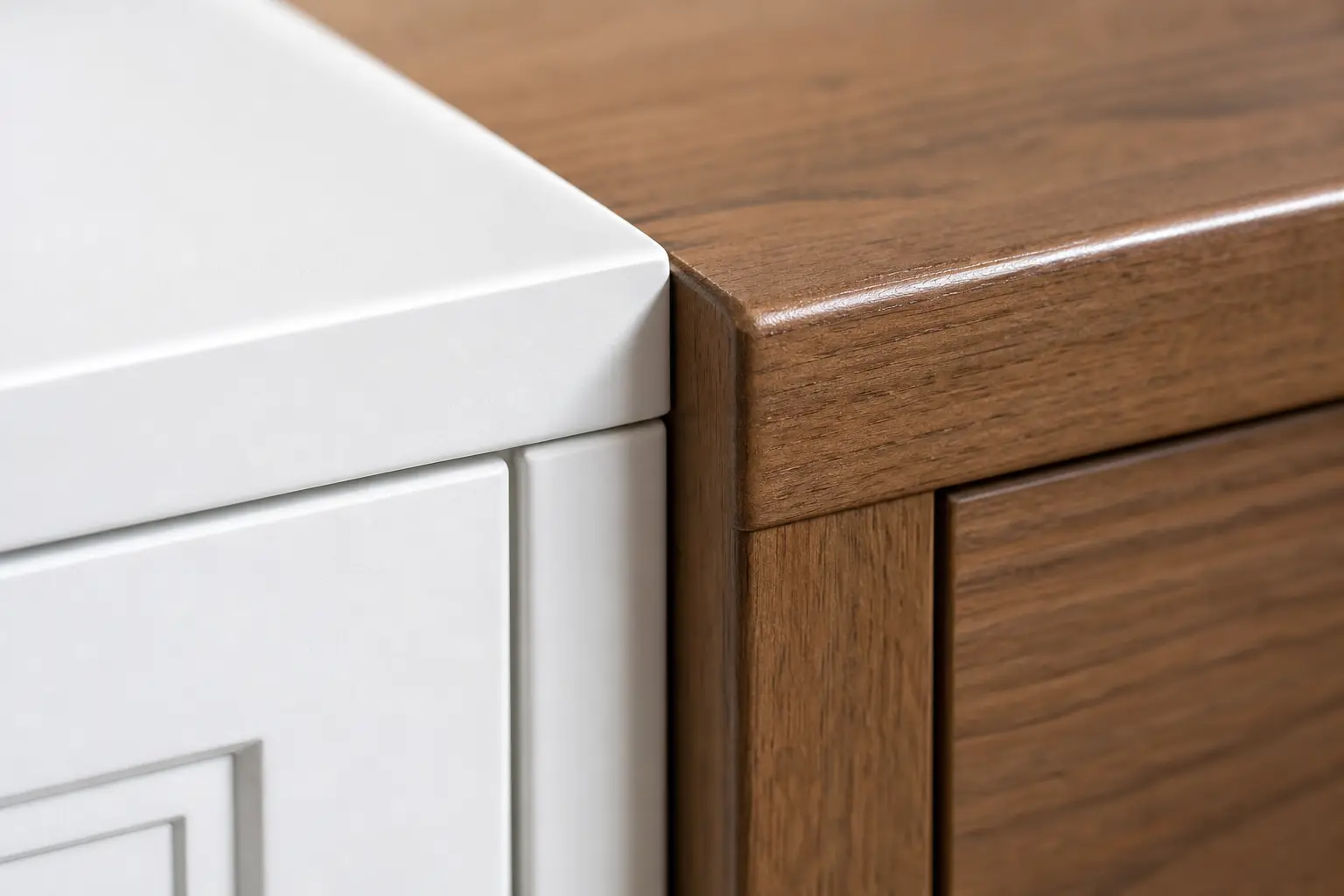
Mixing in wood is the strongest current direction for softening an all-white kitchen. A white oak or walnut island against white perimeter cabinets, or a run of wood open shelving, adds warmth and keeps the space from feeling clinical, which suits the many compact Bay Area kitchens where all-white can tip toward cold. Two-tone designs, white uppers with a wood or colored base, are popular for exactly this reason, and they let you place the most durable finishes where cooking wear is heaviest. Building the whole scheme through one manufacturer like American Built Cabinets keeps the white consistent across every door and the wood tones matched, which is what makes a mixed-material kitchen look designed rather than assembled.
FAQ
Q1: What is the best white for modern kitchen cabinets?
A1: There is no single best white; it depends on your light and finishes. A crisp, slightly cool white reads cleanest with contemporary quartz and stainless, while a soft warm white feels less clinical and hides everyday wear better. Bay Area kitchens with abundant natural light can handle a pure white, while darker interiors often look better with a warmer tone. Always test a painted sample in your own room before committing.
Q2: Do white cabinets show dirt and wear more than other colors?
A2: White shows smudges near handles and around the sink more than a mid-tone, but a properly sprayed and cured finish cleans up easily with a damp cloth. The bigger durability question is the finish itself, not the color. A well-applied painted MDF or conversion-varnish finish resists yellowing and chipping far better than a cheap coating, which is where white kitchens actually fail over time.
Q3: Will white MDF cabinets yellow over time?
A3: Quality painted finishes on MDF resist yellowing well, especially modern waterborne and catalyzed coatings applied and cured in a controlled booth. Yellowing was more common with older oil-based paints and in kitchens with heavy grease and low ventilation. Choosing a reputable finish system and keeping the kitchen ventilated keeps white looking true for years.
Q4: What door style makes white cabinets look modern rather than traditional?
A4: Slab and flat-panel doors read the most contemporary in white, giving a clean, continuous surface, especially on frameless boxes with narrow reveals. A full-overlay Shaker door in white leans transitional and still feels current. Raised-panel doors and heavy ornamentation push white toward traditional, so skip those if a modern look is the goal.
Q5: Should I do an all-white kitchen or mix white with wood?
A5: Both work; it depends on the feel you want. All-white keeps a small or dark kitchen feeling bright and open, which suits many compact Bay Area kitchens. Pairing white uppers with a white oak or walnut island, or adding wood open shelving, warms the space and is a strong current look. Two-tone designs also let you use durable finishes where they matter most.
Q6: Is white a safe choice for resale in the Bay Area?
A6: White remains one of the safest choices for resale because it appeals broadly and photographs well in listings. It reads clean and neutral, letting buyers picture their own style. Pairing white cabinets with quality materials and a durable finish signals care, which matters in a competitive Bay Area market where kitchens heavily influence buyer impressions.