When cabinets, panels, and matching materials come from separate suppliers, the seams show up in your kitchen: mismatched wood grain, finish colors that read slightly off under the same light, and lead times that stack up while everyone waits on someone else. At American Built Cabinets, we manufacture in San Jose and control the material flow from raw sheet goods to installed doors, which is why we can promise finish consistency and roughly three-week turnaround across San Jose, San Francisco, and the Peninsula. This article explains what "integrated material solutions" actually means on a shop floor and where it saves homeowners and builders real money and headaches.
What Integrated Manufacturing Actually Controls
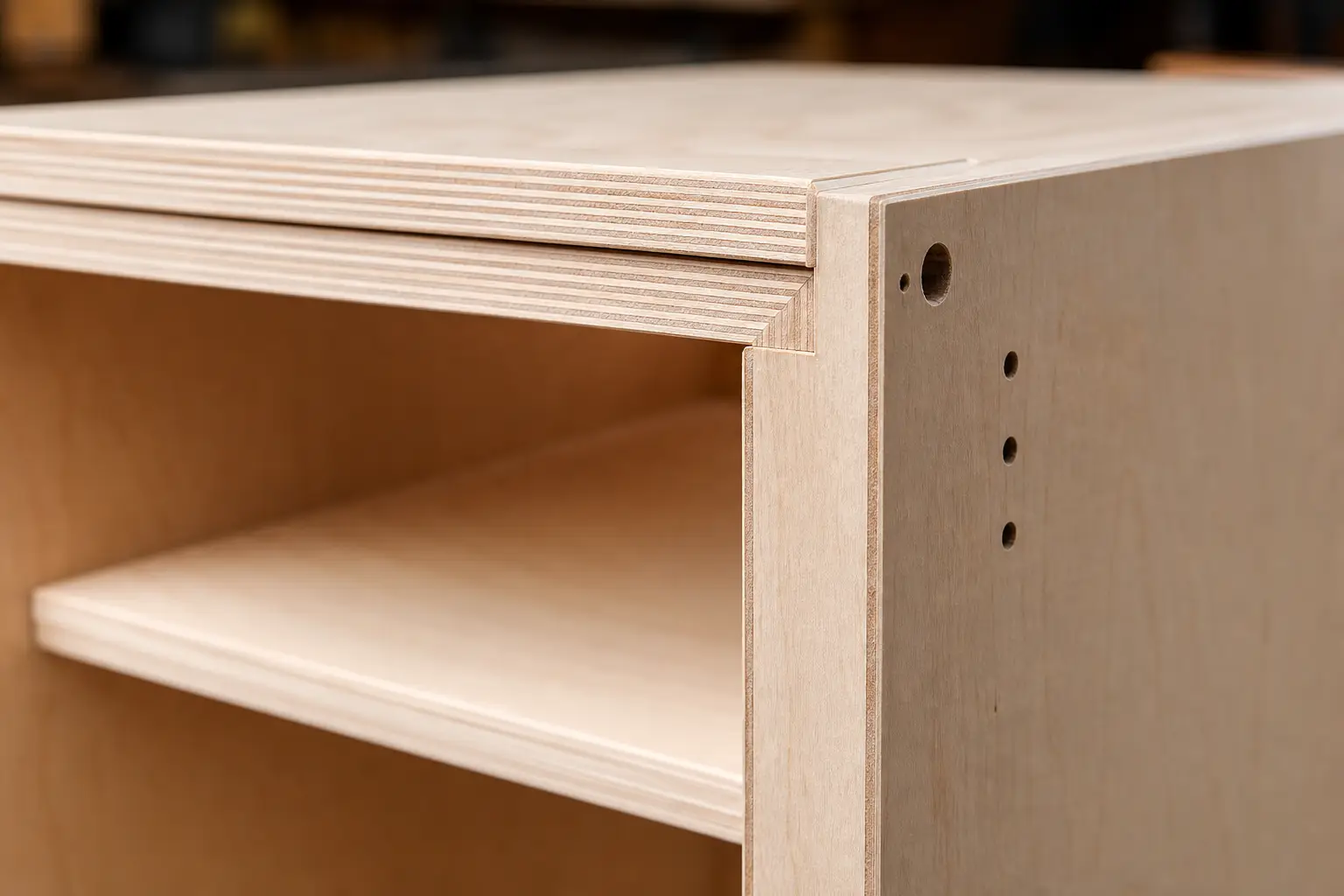
An integrated manufacturer buys and processes the same material stock used for boxes, doors, drawer parts, and any coordinating panels: end panels, toe kicks, fillers, crown, and refrigerator or dishwasher panels. That matters because those parts are cut, edged, and finished in the same runs, from the same lots of plywood or MDF, under the same spray booth conditions.
Compare that to the common alternative, where a builder sources RTA boxes from one importer, orders doors from a second vendor, and buys matching panels off a third catalog. Each supplier runs a different finishing line with its own stain batch, sheen, and drying schedule. The parts look close on a sample chip and then diverge once they hang side by side on a wall. Controlling all of it under one roof removes the batch-to-batch drift that causes those problems.
Where Finish Matching Lives or Dies
Finish is the part clients notice first and complain about longest. A painted white on a maple door versus a painted white on an MDF panel can read as two different whites because the substrates absorb primer differently and reflect light differently. Stains are worse: oak, birch, and alder each pull color at their own rate, so a walnut stain sprayed on mixed species produces a patchwork.
We handle this by specifying substrates per part before finishing and by spraying coordinating pieces in the same booth cycle. Doors, drawer fronts, and exposed panels for a single kitchen move through together, so the sheen and color cure identically. If a homeowner in San Mateo picks a custom color, we spray a control sample, get sign-off, then run the full kitchen against that approved standard rather than reordering from a vendor's fixed palette.
How It Compresses Lead Times
Split sourcing is slow because the schedule is only as fast as the slowest vendor, plus shipping between them. A door order backorders, and the whole job stalls even though the boxes arrived weeks ago. Ordering a matching panel after the fact often means a four to six week wait and a fresh finish batch that may not match.
Because we cut boxes, doors, and panels from the same inventory and finish them together, our typical lead time runs about three weeks for semi-custom and most custom orders. There is no inter-vendor handoff, no separate freight leg, and no re-ordering a forgotten filler strip from across the country. For Bay Area builders working tight construction schedules, that predictability is often worth more than shaving a few dollars per box.
Materials and Hardware Under One Spec
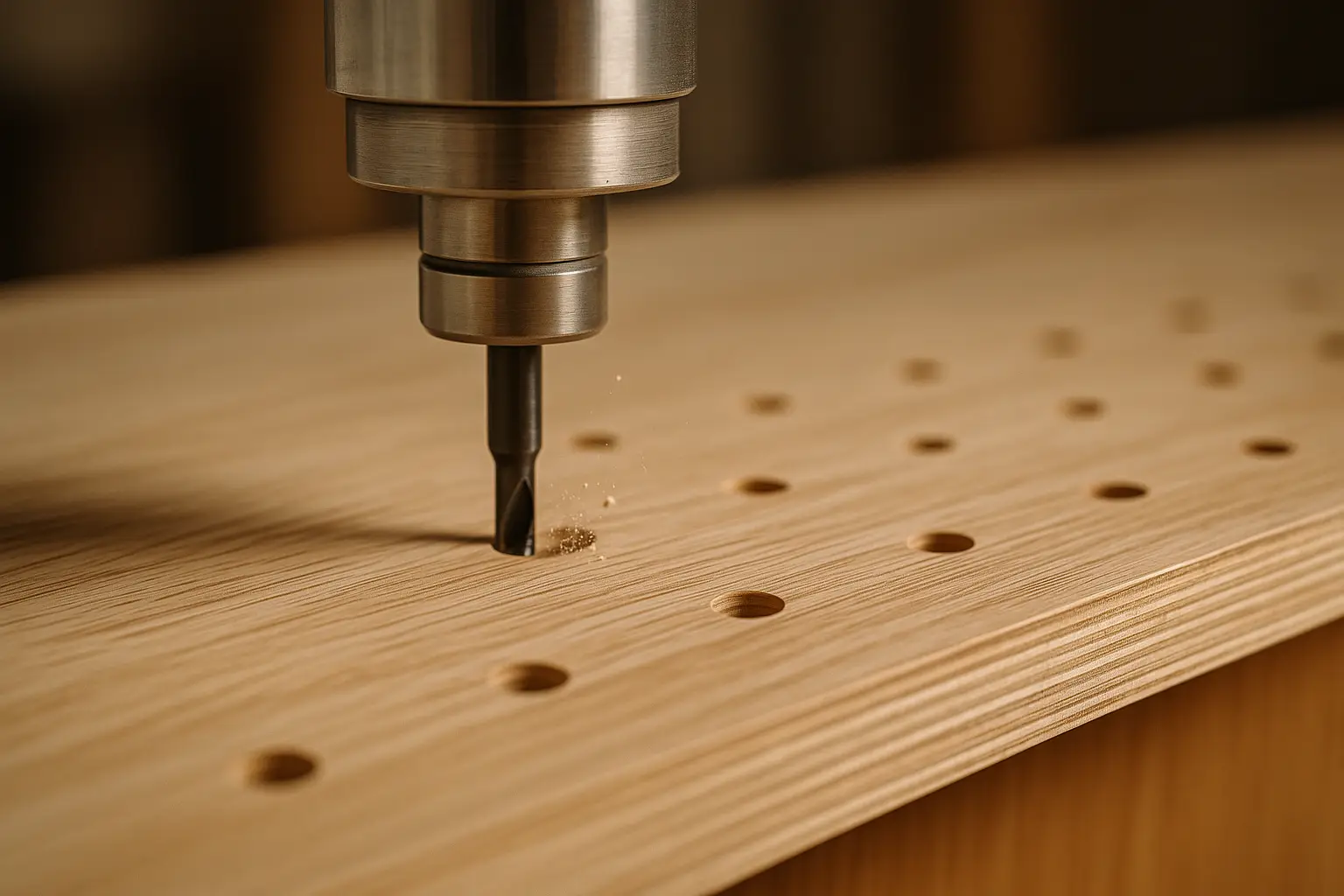
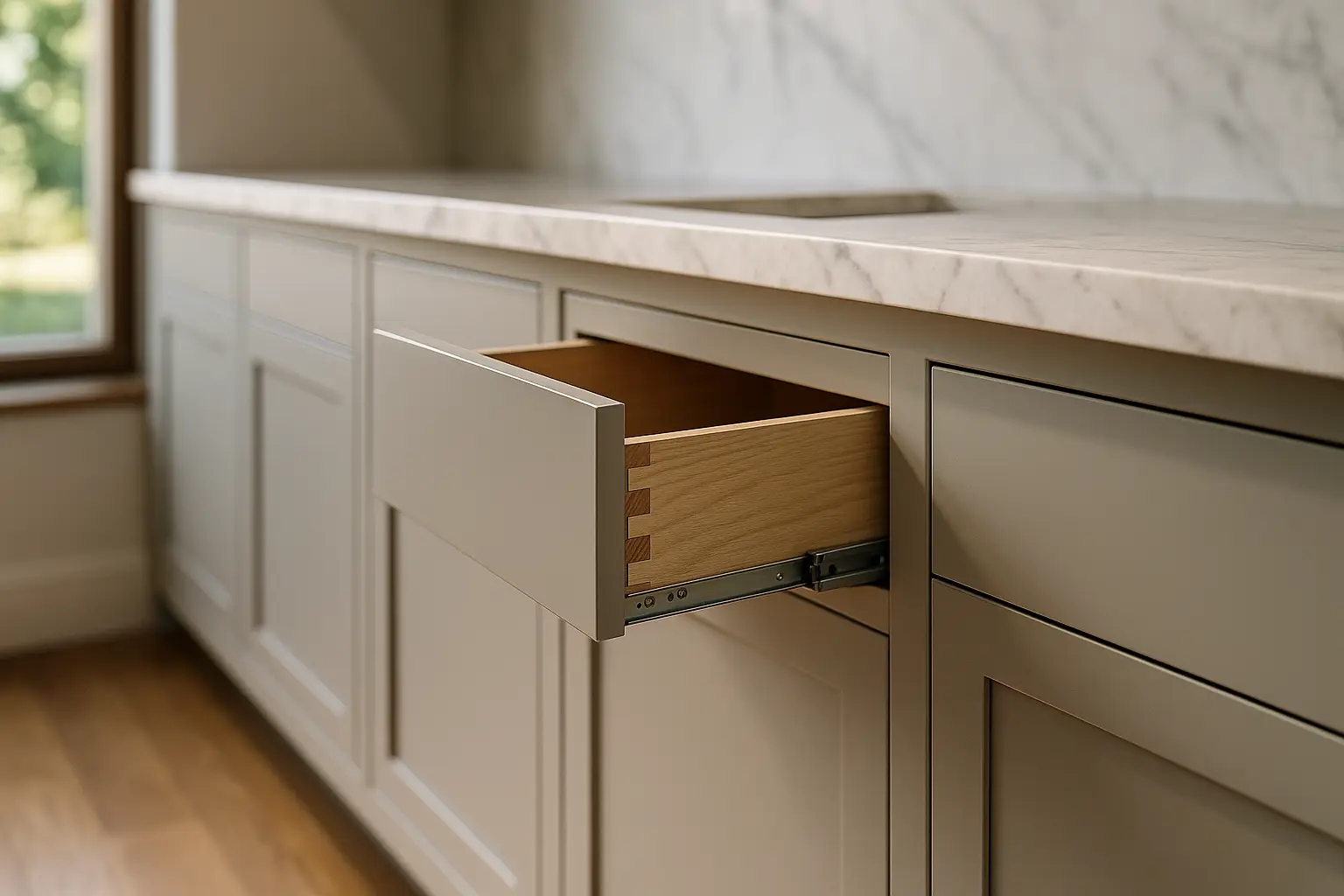
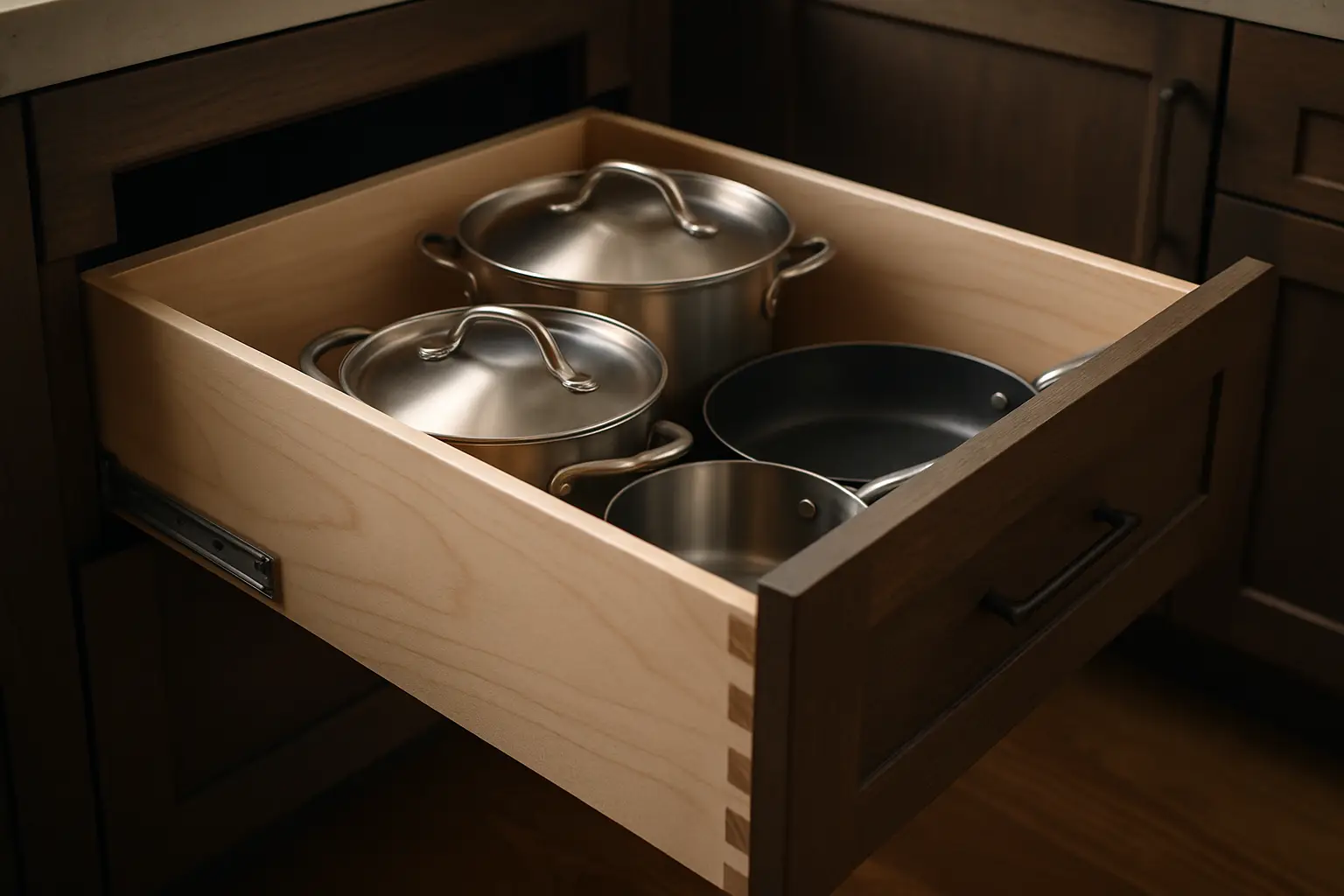
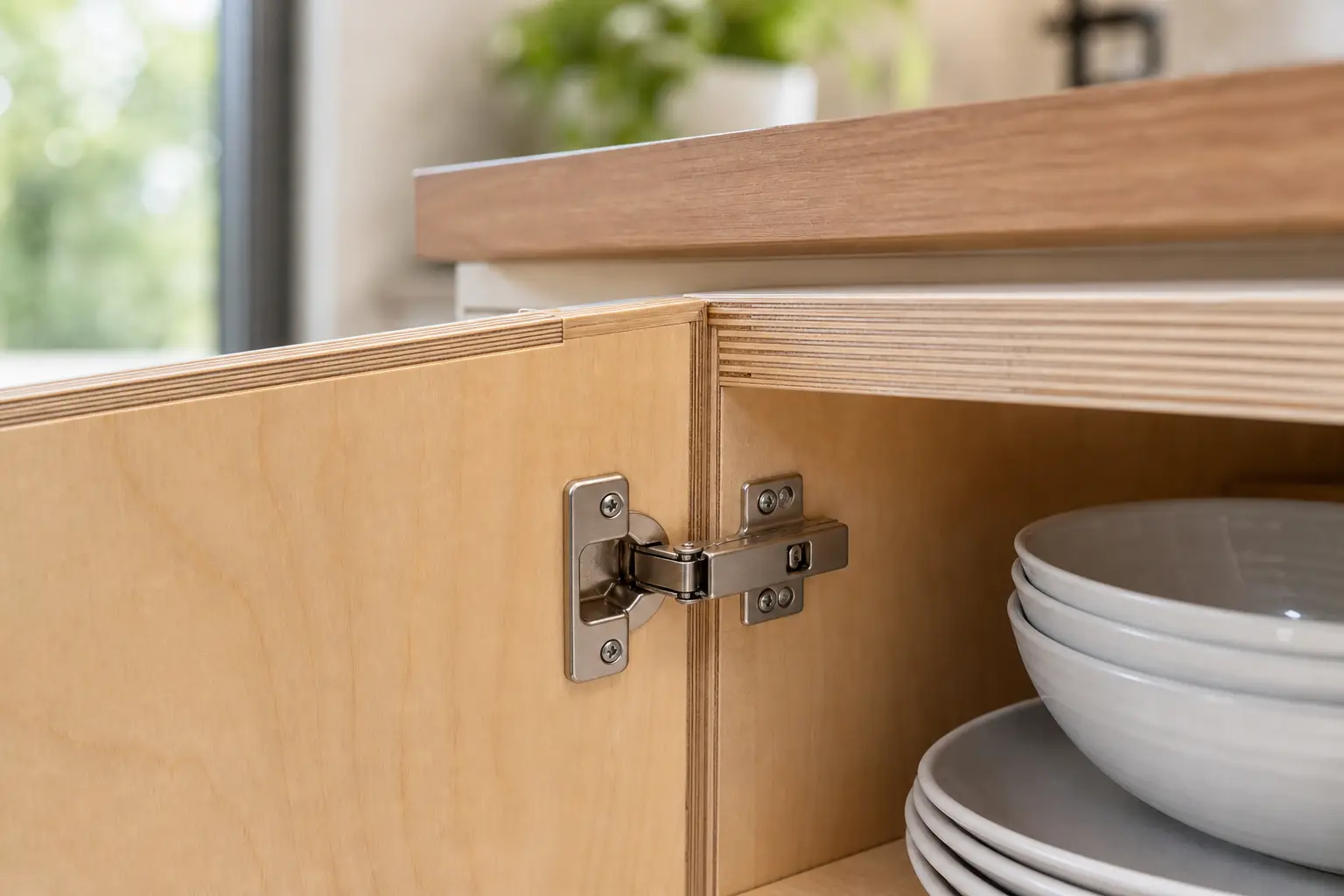
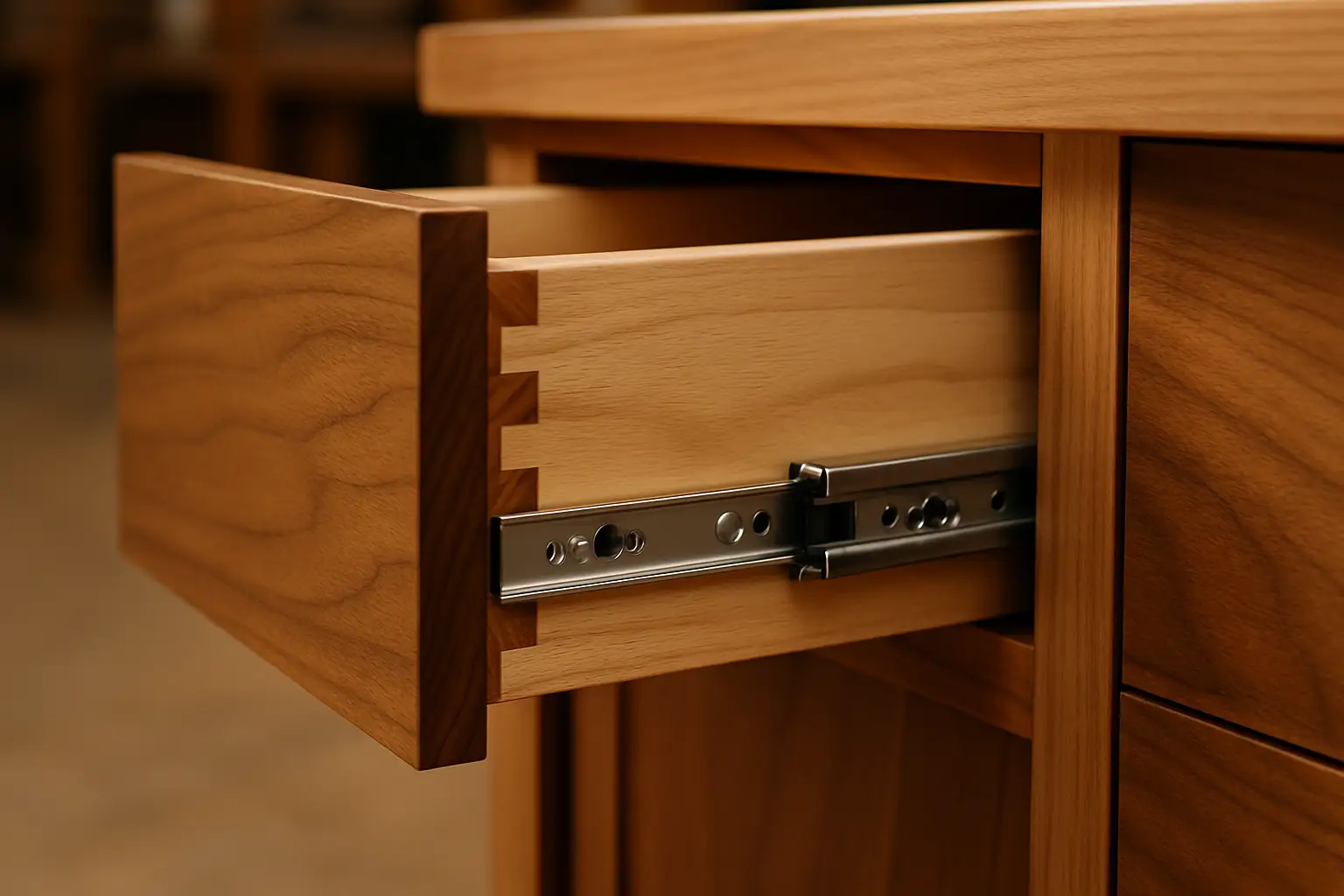
Integration also means the construction spec stays consistent across every cabinet in the run. Our standard boxes use 3/4-inch plywood for strength and screw retention, with dovetailed solid-wood drawer boxes, full-extension soft-close slides, and concealed soft-close hinges rated for the door weight. When those come from one manufacturer, drawer clearances, hinge boring, and slide mounting are dialed in for the exact door and box thicknesses we use.
Mixed sourcing breaks that alignment. A drawer box built to one vendor's tolerance may bind on another vendor's slide, or a heavy door on a light-duty hinge will sag within a year. Keeping hardware, boxes, and doors under a single engineering spec means the moving parts were designed to work together, and it makes warranty support straightforward: one shop stands behind the whole assembly instead of pointing at another supplier.
When Integrated Sourcing Is Worth It
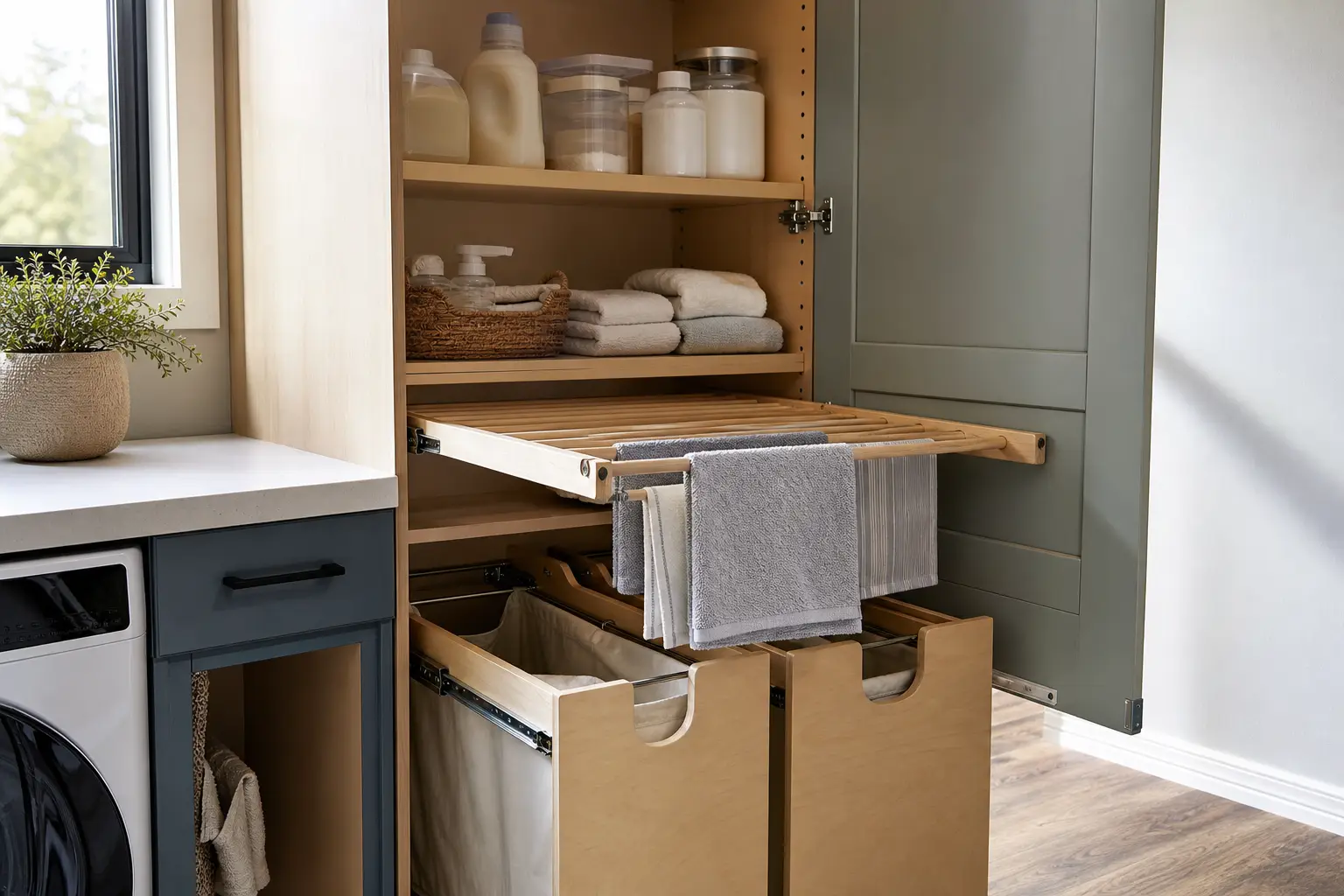
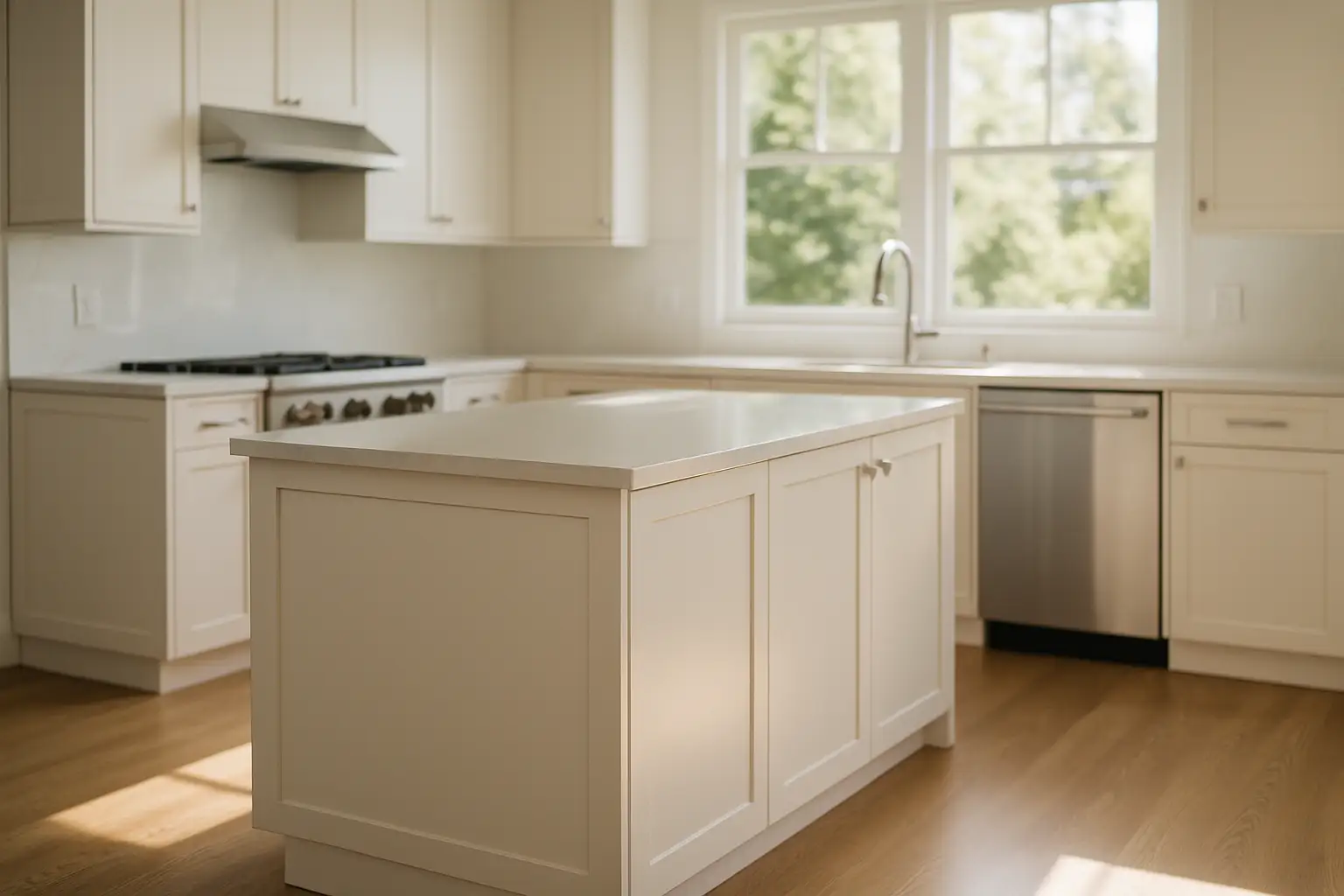
Integrated sourcing pays off most on kitchens with lots of matching exposed surfaces: islands with panel-wrapped ends, tall pantry runs, appliance panels, and open shelving that shares the cabinet finish. It also helps any project where the finish is a custom color rather than a stock catalog option, because reproducing a custom match across separate vendors is nearly impossible.
For a small laundry room in a rental or a straightforward RTA project in a stock white, split sourcing can be fine and sometimes cheaper. The honest tradeoff is this: buy separately when the parts are simple and forgiving, and buy integrated when finish consistency, fit, and schedule reliability actually affect how the finished room looks and holds up.
FAQ
Q1: Does buying cabinets and matching panels from one manufacturer cost more?
A1: Not usually, and often less once you account for reorders and freight. Split sourcing looks cheaper per box but adds shipping between vendors and the risk of ordering a mismatched or forgotten panel later. A single manufacturer folds panels, fillers, and trim into one quote and one delivery.
Q2: Why do finishes from different suppliers fail to match?
A2: Each finishing line uses its own stain batch, primer, sheen, and drying schedule, and different substrates like maple, MDF, and oak absorb color at different rates. Even the same paint code can read as two colors under one kitchen's lighting. Spraying all coordinating parts in the same booth cycle is the only reliable way to keep them identical.
Q3: Can you match a custom color across an entire kitchen?
A3: Yes. We spray a control sample first, get your written sign-off, then run every door, drawer front, and exposed panel against that approved standard in the same finishing cycle. That keeps the whole kitchen consistent instead of matching against a fixed vendor palette.
Q4: What is your typical lead time in the Bay Area?
A4: About three weeks for most semi-custom and custom orders across San Jose, San Francisco, and the Peninsula. Because we cut and finish boxes, doors, and panels together in one shop, there is no waiting on separate vendors or inter-vendor freight.
Q5: What construction and hardware do your cabinets use as standard?
A5: Boxes are 3/4-inch plywood for strong screw retention, drawers are dovetailed solid wood on full-extension soft-close slides, and doors hang on concealed soft-close hinges sized to the door weight. Because we spec all of it together, clearances and boring line up and nothing binds or sags.
Q6: Is integrated sourcing overkill for a simple project?
A6: Sometimes. For a small laundry room or a stock-white RTA job, buying parts separately can be fine and occasionally cheaper. Integrated sourcing earns its value on kitchens with lots of matching exposed surfaces, custom colors, or tight construction schedules where mismatches and delays are costly.
Q7: Who handles warranty if something goes wrong?
A7: We do, for the whole assembly. When one manufacturer builds the boxes, doors, and hardware to a single spec, there is no finger-pointing between suppliers. You call one shop and we resolve it.