Cabinet pricing is the hardest part of a kitchen budget to pin down, because the same phrase, custom kitchen cabinets, can mean a ten thousand dollar job or a fifty thousand dollar one. In the Bay Area, where labor and housing stock both run expensive, the spread is even wider. This 2026 guide lays out realistic price ranges for custom cabinets across San Jose, San Francisco, and the Peninsula, explains exactly what drives a quote up or down, and shows you how to compare bids so you are paying for construction quality rather than markup. No single number fits every kitchen, but you can absolutely learn to read a quote.
What Custom Kitchen Cabinets Actually Cost Here in 2026
There is no single price, but there is a realistic range. For a typical Bay Area kitchen, custom cabinetry alone generally falls between roughly 20,000 and 45,000 dollars in 2026, with a lot of mid-sized kitchens landing in the high twenties to mid thirties. A small, simple kitchen with painted fronts can come in below that band. A large kitchen with an island, premium solid wood, extensive pull-outs, and a complex layout can climb well above it. These figures are for the cabinets, not the countertops, appliances, or installation, which are separate line items.
Two regional realities push Bay Area numbers above national averages. Labor costs more here, and that flows into both manufacturing and installation. And the housing stock is old and irregular, so more kitchens need custom sizing to fit walls that are not plumb or square, which is genuine value but also real work. When you see national cost guides quoting lower ranges, treat them as a floor, not a target, for San Jose, San Francisco, and Peninsula projects.
The Five Things That Move Your Quote
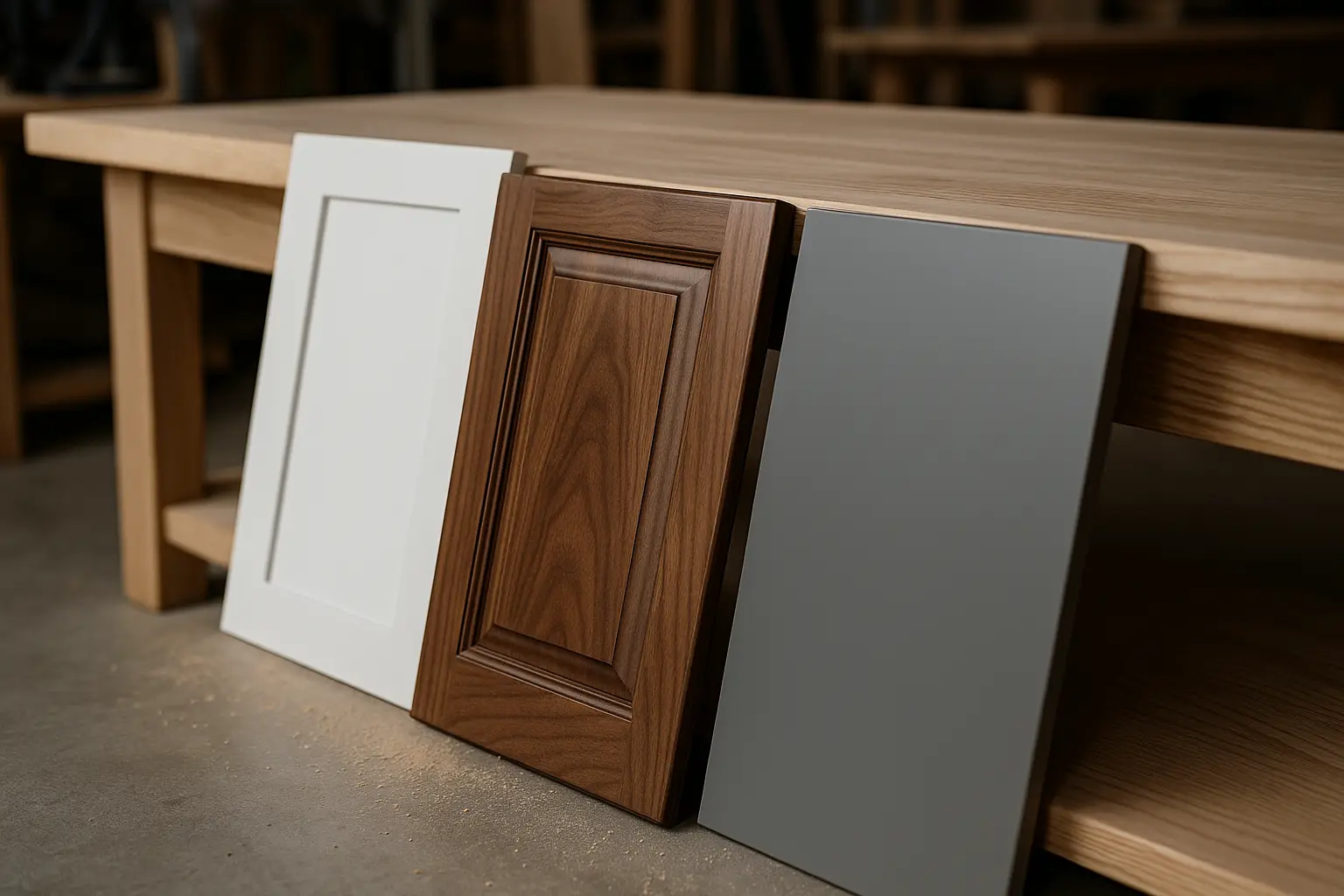
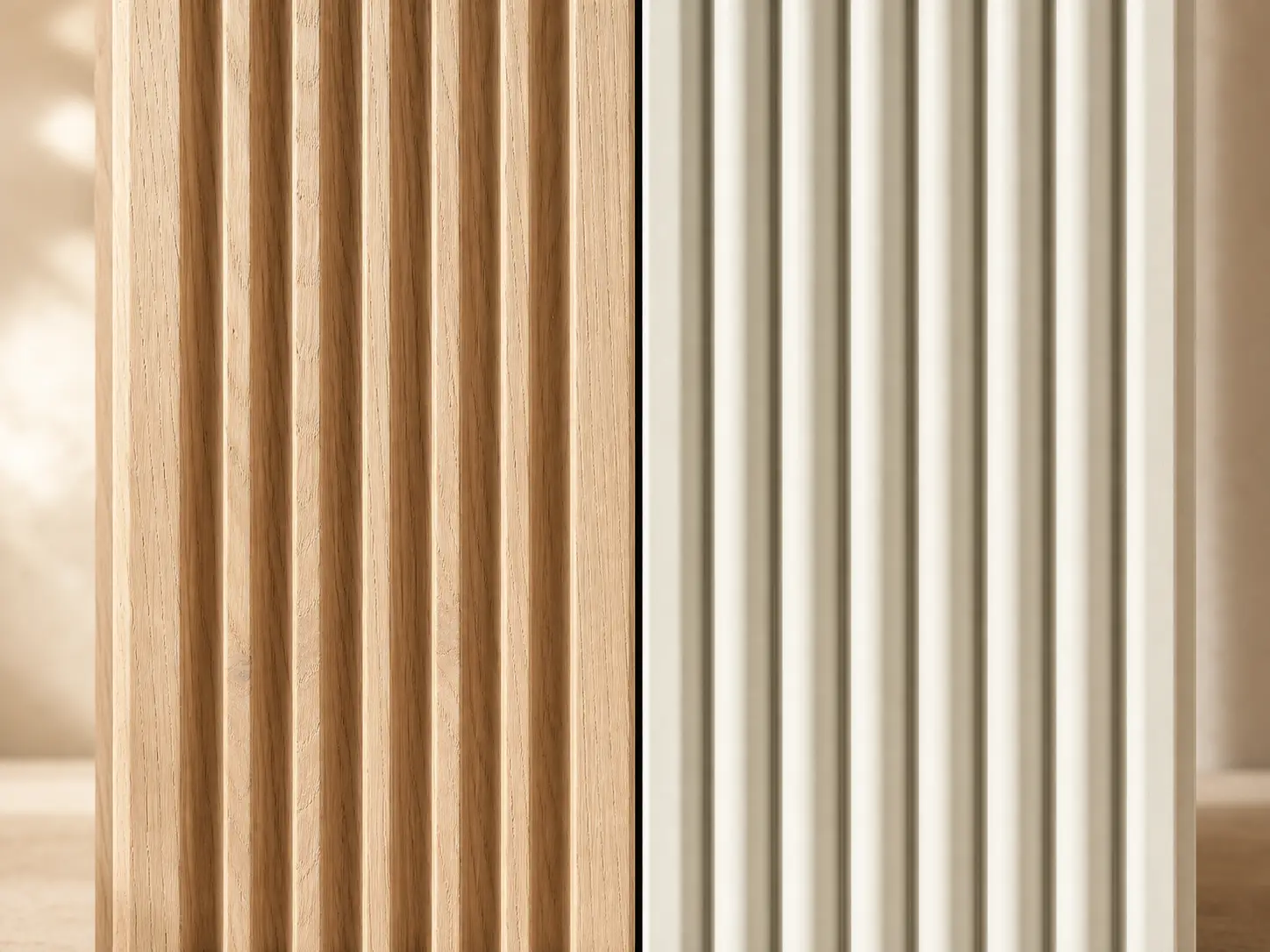
A cabinet quote is the sum of a handful of decisions, and knowing which ones carry weight lets you steer the budget. Material and finish usually move the number the most. A kitchen built with furniture-grade plywood boxes and painted MDF doors costs meaningfully less than the same kitchen in solid walnut or white oak with a specialty finish. Wood species, and whether fronts are painted, stained, or veneered, is often the single biggest lever.
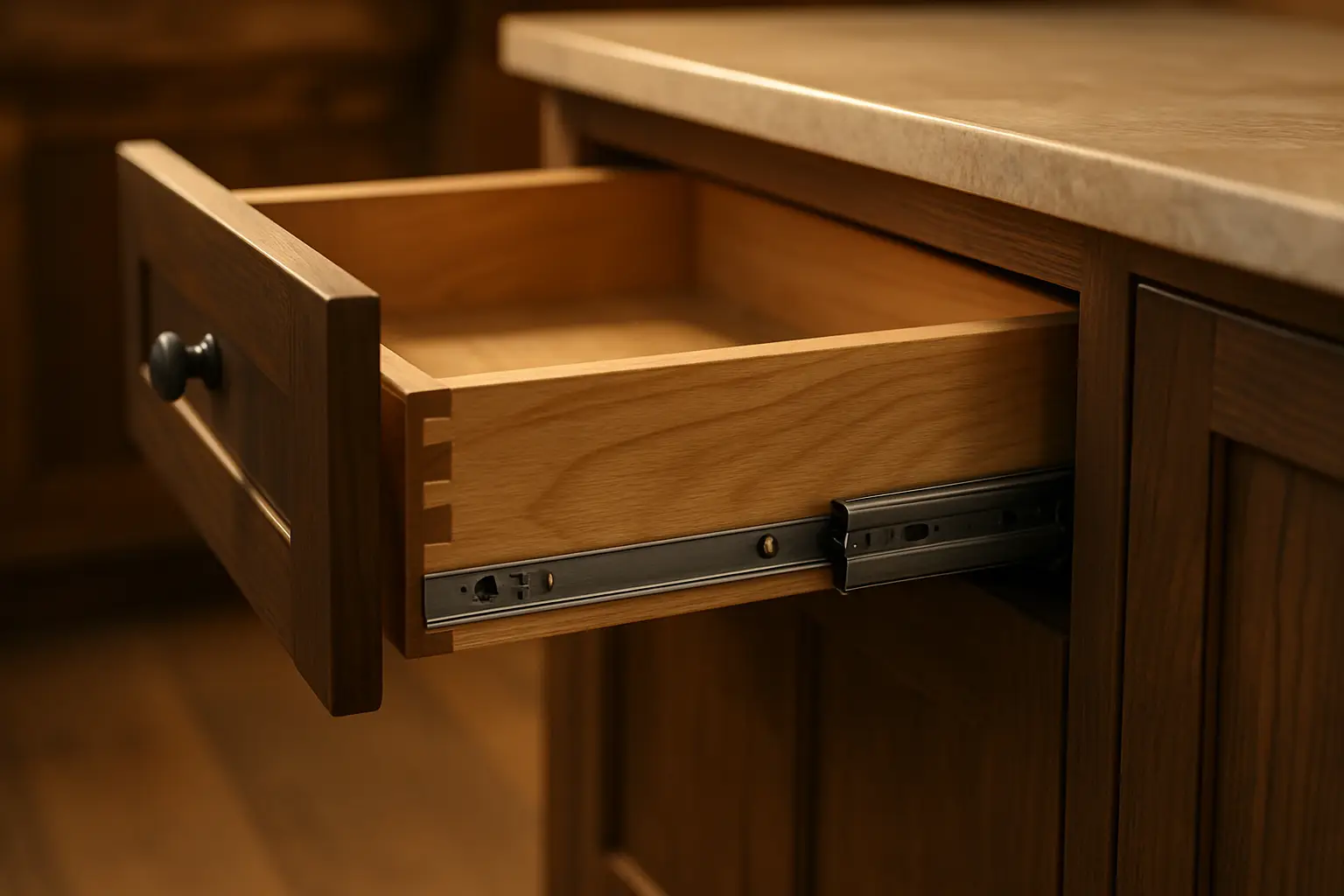
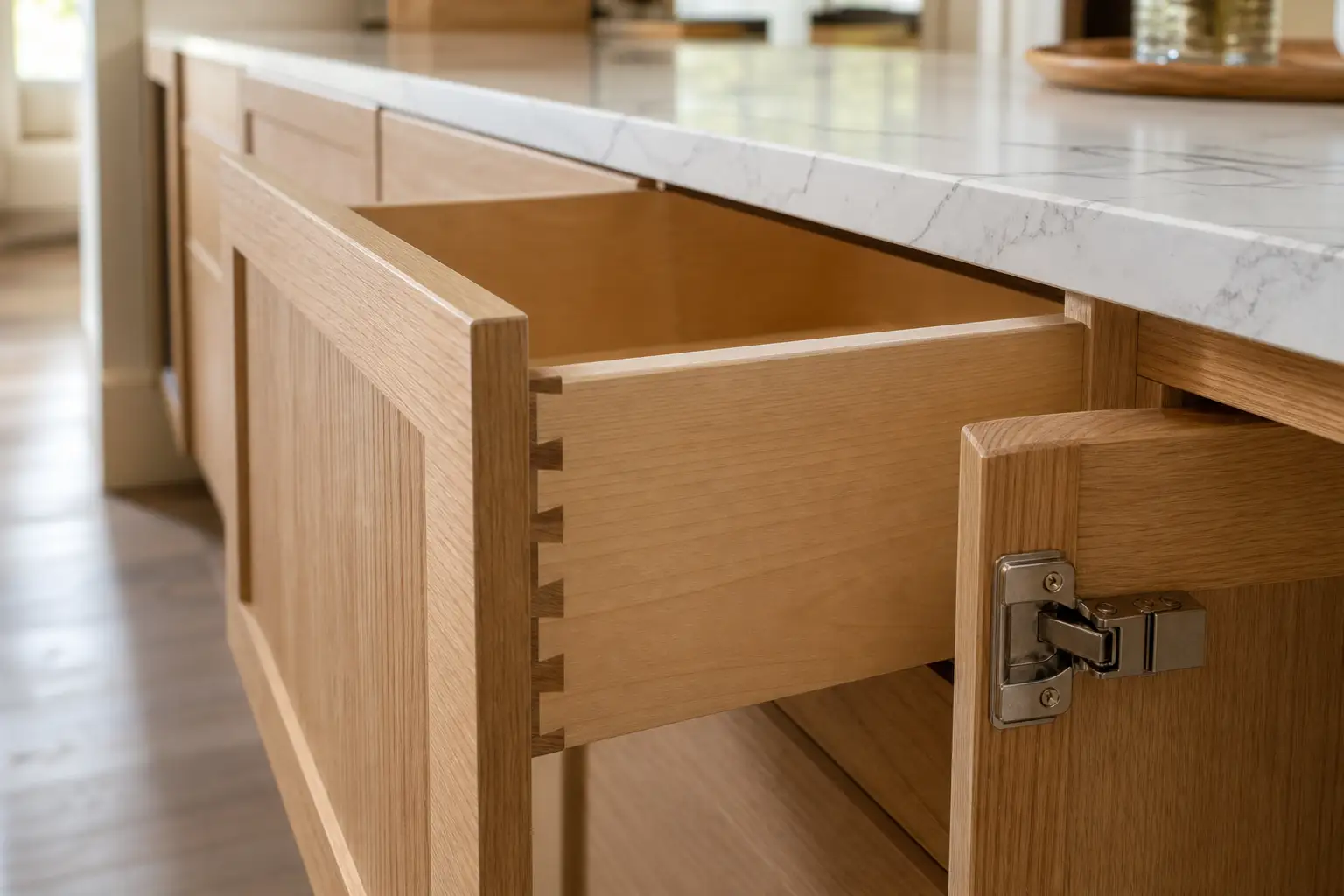
Size and cabinet count are the next factor: more linear feet of cabinetry, taller runs to the ceiling, and a large island all add boxes and material. Interior fittings come third, and they add up quickly. Deep pull-out pantries, blind-corner organizers, trash pull-outs, drawer inserts, and lighting are each worthwhile where you use them and pure cost where you do not. Fourth is layout complexity, which in Bay Area homes often means custom fillers, scribe work, and out-of-square adjustments that a stock kitchen would never require. Fifth is hardware grade: quality soft-close hinges and full-extension undermount slides cost more than basic clip hinges and side-mount slides, and they are worth it, but they are a real line in the total.
Custom vs Semi-Custom vs RTA: What the Price Buys
The price gap between cabinet tiers is not arbitrary; it reflects different products. Ready-to-assemble cabinets are the budget floor. They ship flat, assemble with cam locks or dowels, and are commonly built from thinner engineered panels, often half-inch particleboard, with basic hardware. They fit standard layouts and a tight budget, and their weak points, box strength, hardware longevity, and door alignment over time, tend to show within a year or two.
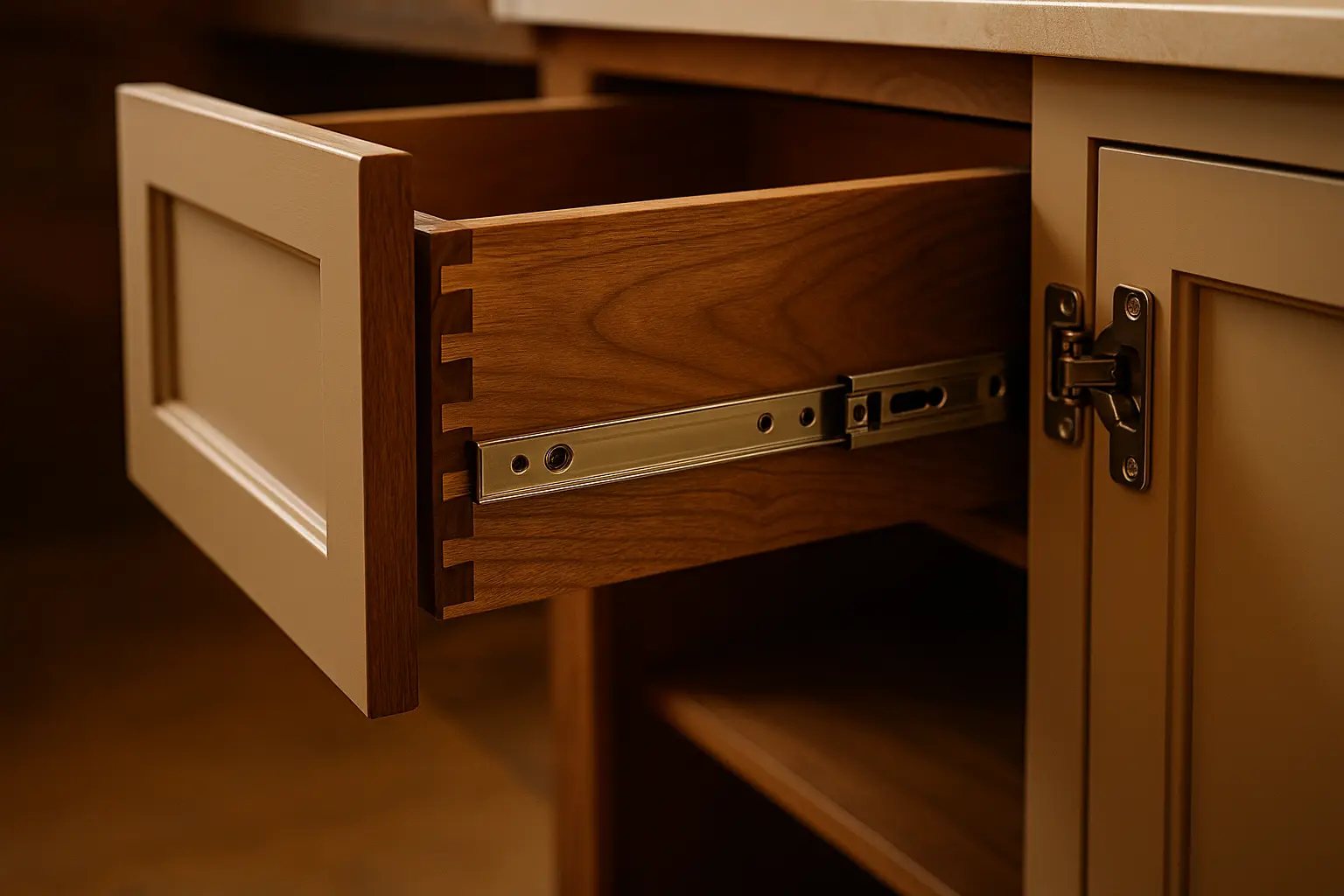
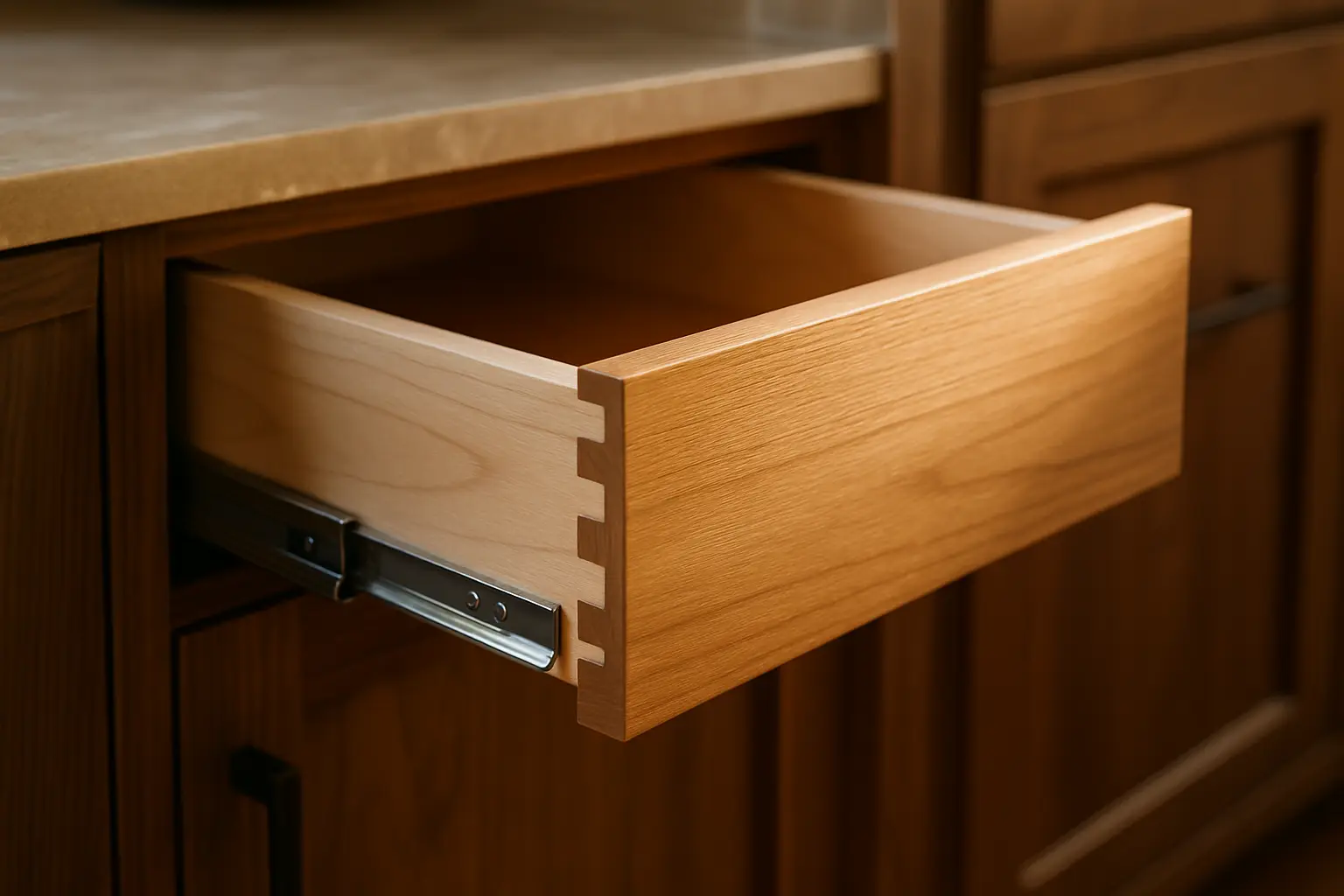
Semi-custom lines sit in the middle. They offer a fixed menu of sizes, door styles, and finishes with better boxes and hardware than RTA, but you are still choosing from stock dimensions. Full custom, which is what we build in our San Jose shop, means the cabinets are made to your exact dimensions from furniture-grade plywood, with MDF or solid wood fronts, dovetailed drawer boxes, and high-grade soft-close hardware. You pay more per cabinet, but you get sizing that fits the actual room, storage tailored to how you cook, and construction that lasts. The right tier is the one that matches your home and how long you plan to keep the kitchen, not simply the lowest number.
Where Bay Area Costs Come From, and Where Local Helps
It is worth understanding why the region runs expensive, because some of those costs are unavoidable and some are not. Labor is a fixed regional reality. Material grade is a choice you control. But a big, hidden cost driver in cabinets is the supply chain itself. Imported and national semi-custom cabinets carry the cost of long-distance shipping, regional distribution, and the markups layered along that path, and they carry a two-to-four-month lead time that can cost you in project delays.
Buying from a local manufacturer changes that math. American Built Cabinets manufactures in San Jose, so there is no long shipping leg and no distribution markup between the shop and your kitchen. That often makes local custom competitive with, and sometimes below, national semi-custom once you compare like for like, and it comes with a roughly three week lead time instead of months. The value is not only the sticker price. Local production means our own team runs quality control on every box, revisions are handled in the same shop, and warranty support is one phone call rather than a claim routed through a distributor. On a budget, reduced risk of delay and finish mismatch is worth real money even when it does not appear on the quote.
How to Read a Quote and Spend Wisely
The most useful skill in cabinet buying is reading a quote critically. A trustworthy bid spells out box material and thickness, door style and material, the finish system, and hardware by brand and model, plus a cabinet-by-cabinet list with dimensions. A bid that gives only a lump sum and a door color cannot be compared fairly to anything, and a low number there often hides a thinner box or cheaper hardware. When two quotes differ by thousands, the answer is almost always in the material and hardware lines, not the labor.
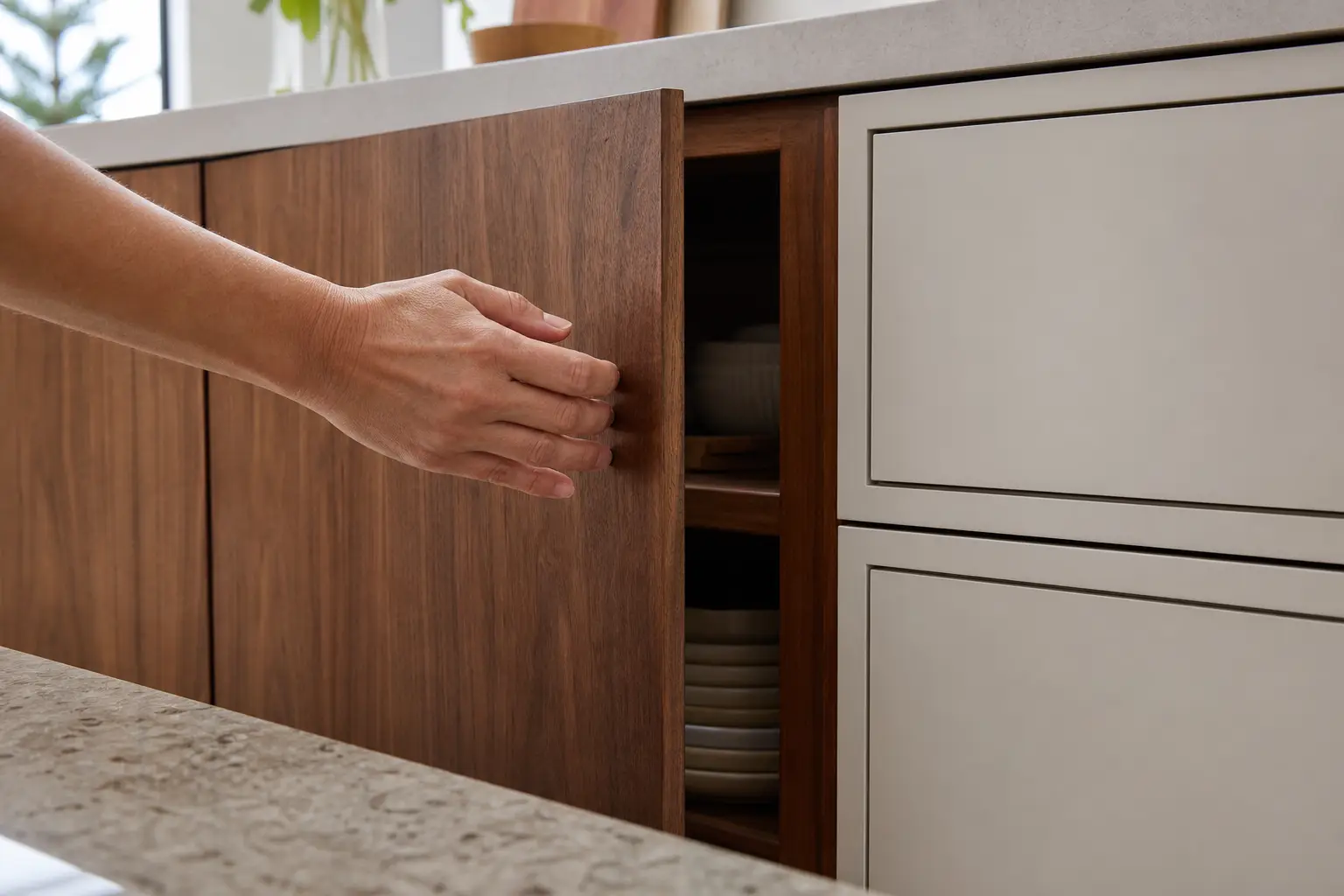
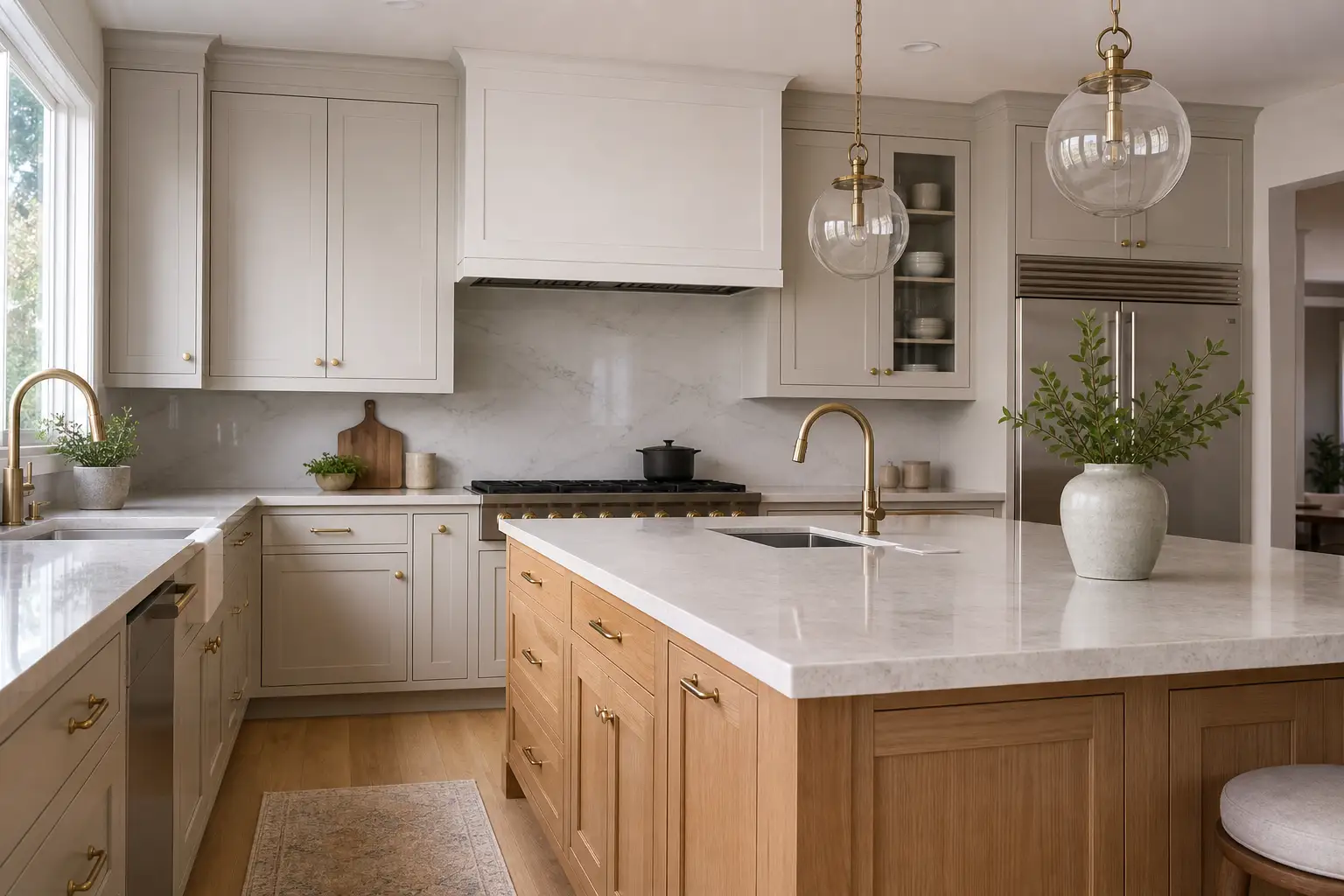
To spend wisely, put money where it protects the kitchen and economize where it does not. Keep furniture-grade plywood boxes and good soft-close, full-extension hardware, because those decide how the cabinets feel and how long they last. Control cost through finish and door choice, painted MDF is a genuine value against premium solid wood, and through restraint on interior fittings, adding pull-outs only where you will actually use them. A two-tone approach lets you put expensive wood on a focal island while keeping perimeter runs in a more economical painted finish. Done this way, a Bay Area custom kitchen lands at a defensible number, and every dollar in the quote maps to something you can point to and understand.
FAQ
Q1: How much do custom kitchen cabinets cost in the Bay Area in 2026?
A1: For a typical Bay Area kitchen, custom cabinets generally land between roughly 20,000 and 45,000 dollars for the cabinetry alone, with many mid-sized kitchens in the high twenties to mid thirties. Smaller kitchens and simpler finishes can come in lower, while large kitchens with premium wood, complex layouts, and extensive interior fittings run higher. Local labor and material costs put the region above the national average.
Q2: Why are custom cabinets more expensive than stock or RTA?
A2: You are paying for exact sizing, better materials, and higher-grade hardware. Stock and ready-to-assemble cabinets come in fixed sizes from thinner engineered panels with basic hardware, while custom cabinets are built to your dimensions from furniture-grade plywood and solid wood or MDF with soft-close, full-extension hardware. The difference shows up in fit, storage efficiency, and how long the cabinets last.
Q3: What is the biggest factor that changes a cabinet quote?
A3: Material and finish, followed by size and complexity. A painted MDF-and-plywood kitchen costs less than one with solid walnut or white oak fronts and specialty finishes. After material, the number of cabinets, the amount of interior fittings like pull-outs and organizers, and layout complexity in older, out-of-square homes move the number the most.
Q4: Are custom cabinets worth it over semi-custom for the price?
A4: It depends on your kitchen. In older Bay Area homes with non-standard walls, custom sizing recovers usable space and avoids the fillers and gaps that stock sizes force, which often justifies the cost. For a newer home with standard dimensions and simple taste, semi-custom can be a reasonable value. The clearest wins for custom are odd layouts, specific storage needs, and long-term durability.
Q5: Does local manufacturing cost more or less than imported cabinets?
A5: Local custom is often competitive with, and sometimes below, national semi-custom lines once you account for the full picture, and it comes with a much shorter lead time. You avoid long shipping and distribution markups, get direct quality control, and deal with one warranty contact. The value is not only the sticker price but the reduced risk of delays and finish mismatches.
Q6: How can I lower the cost of custom cabinets without cheapening them?
A6: Spend on the parts that matter and simplify the rest. Keep furniture-grade plywood boxes and good soft-close hardware, since those drive durability, but control cost through finish and door choice, painted MDF instead of premium solid wood, and by limiting specialty interior fittings to where you truly use them. A two-tone scheme can also put expensive wood only on a focal island.
Q7: What should a detailed cabinet quote include?
A7: A quote worth trusting spells out box material and thickness, door style and material, finish system, and hardware brand and model, plus a cabinet-by-cabinet list with dimensions. If a bid only gives a lump sum and a door color, you cannot compare it fairly. The material and hardware breakdown is what tells you whether a lower price reflects value or corner-cutting.