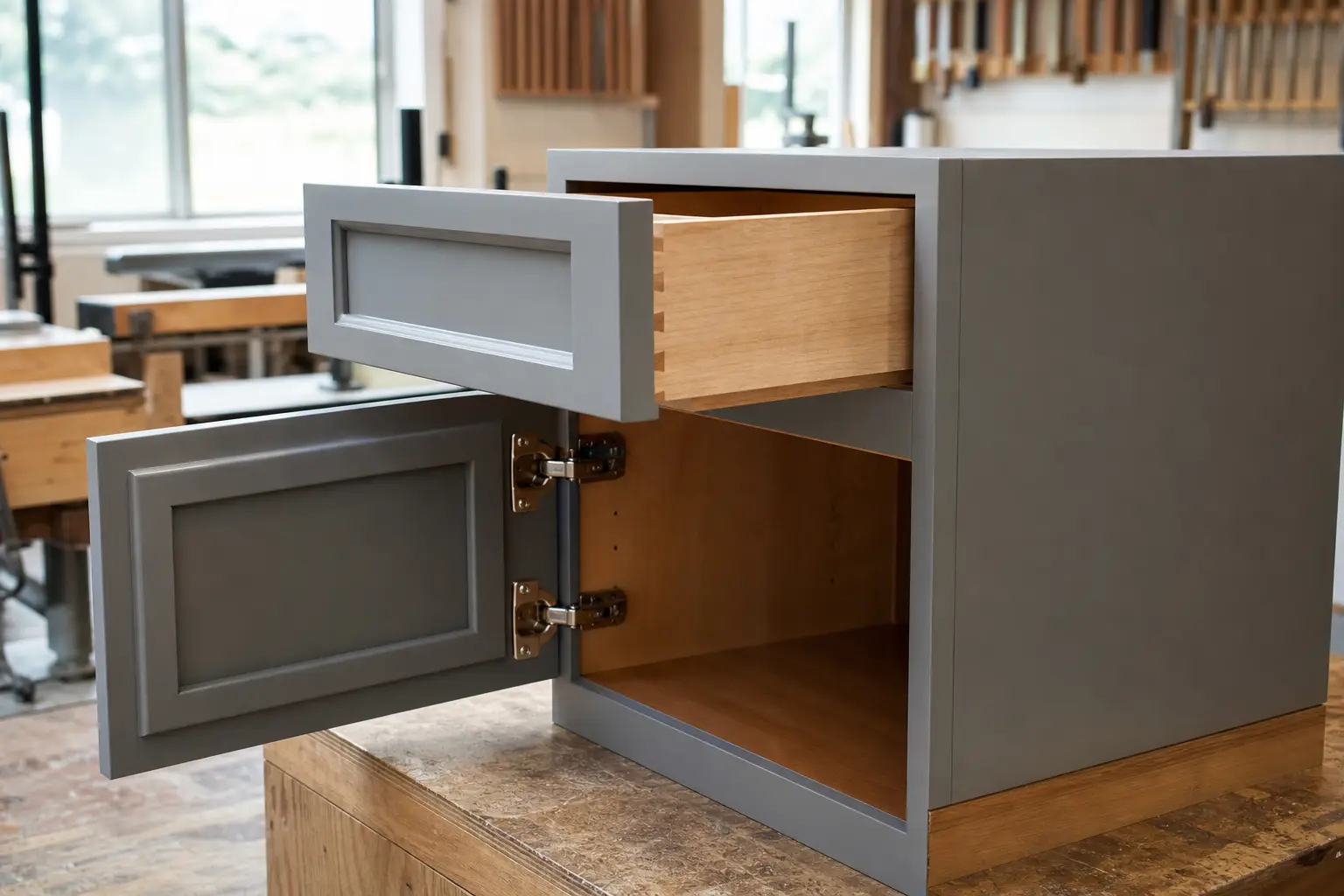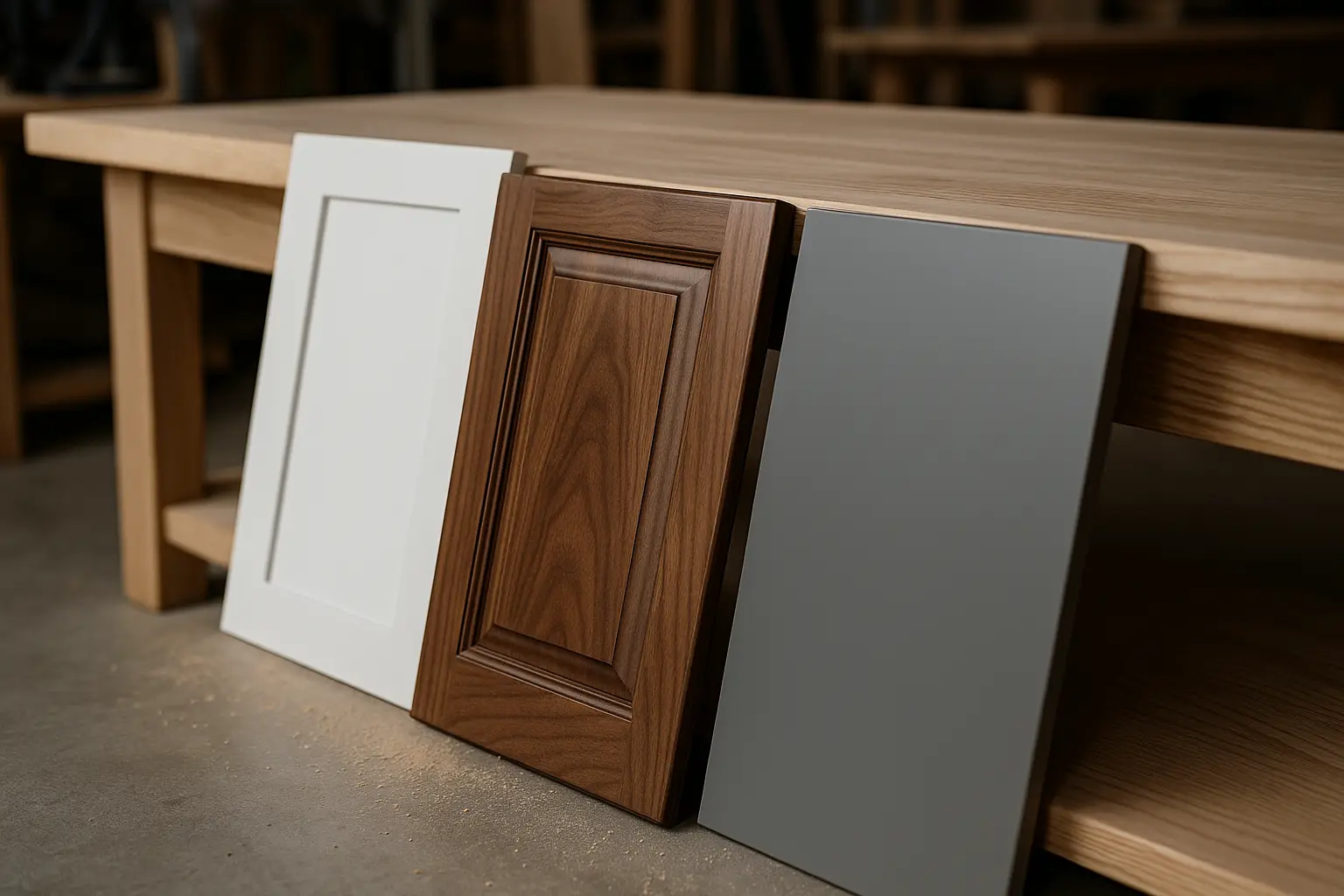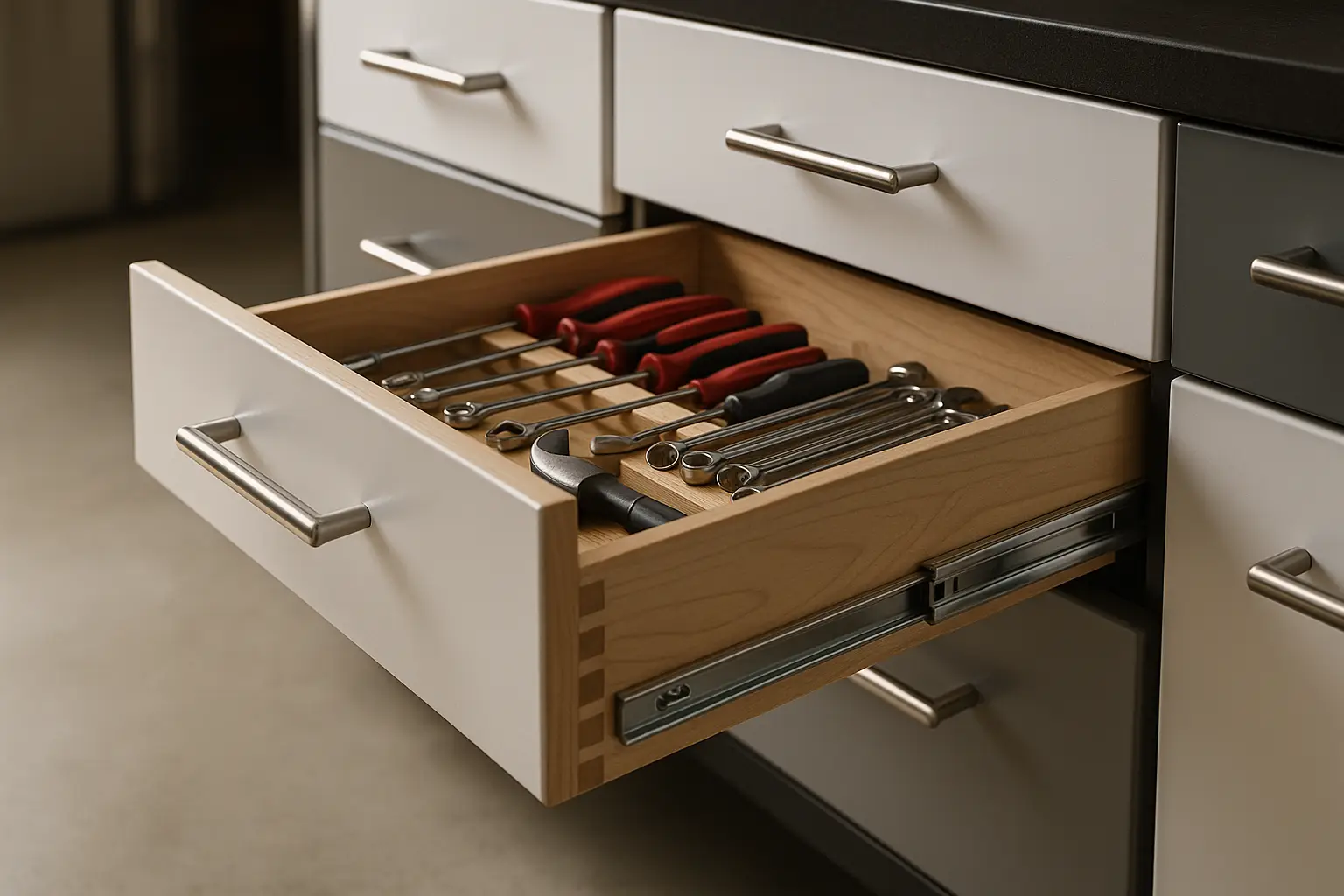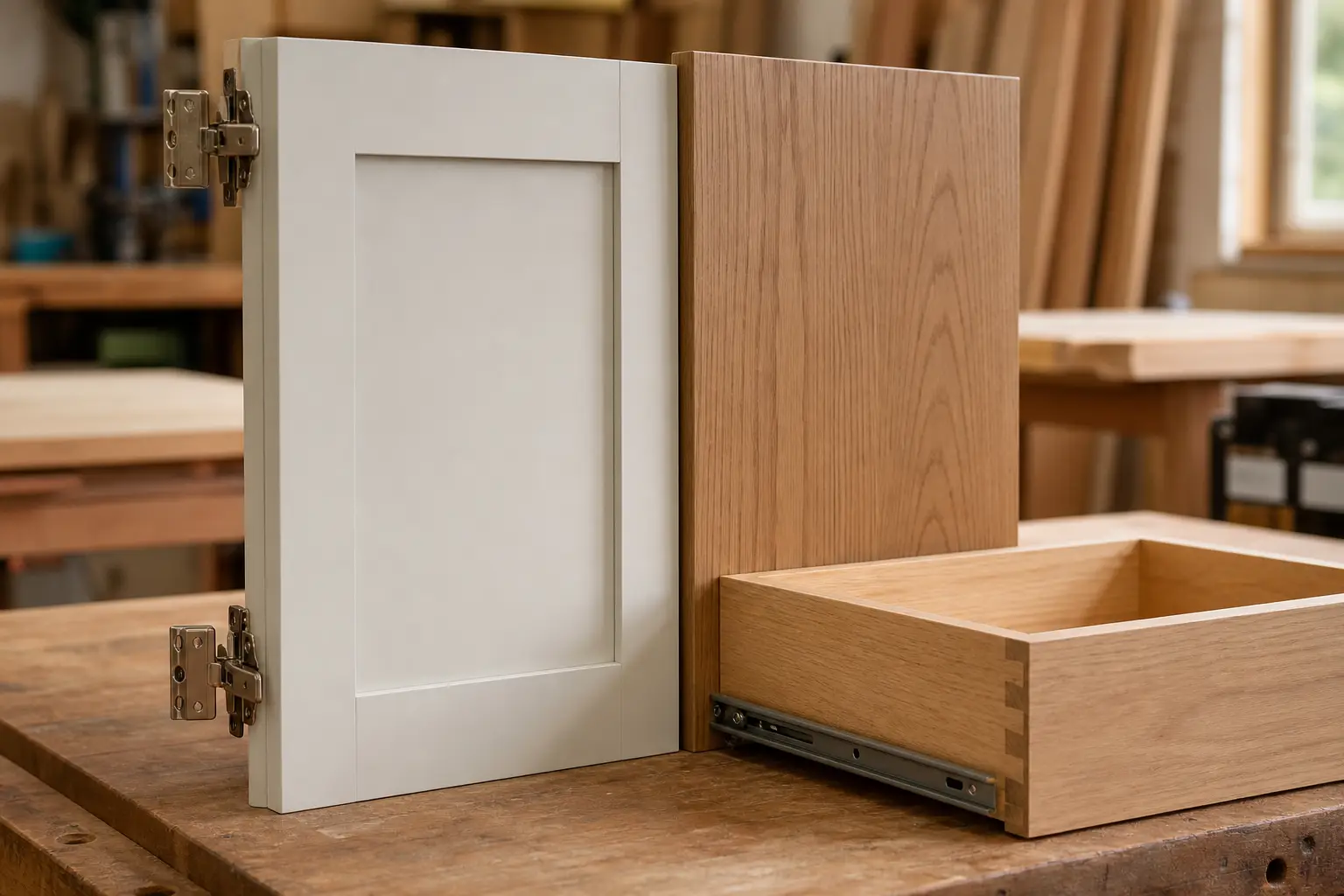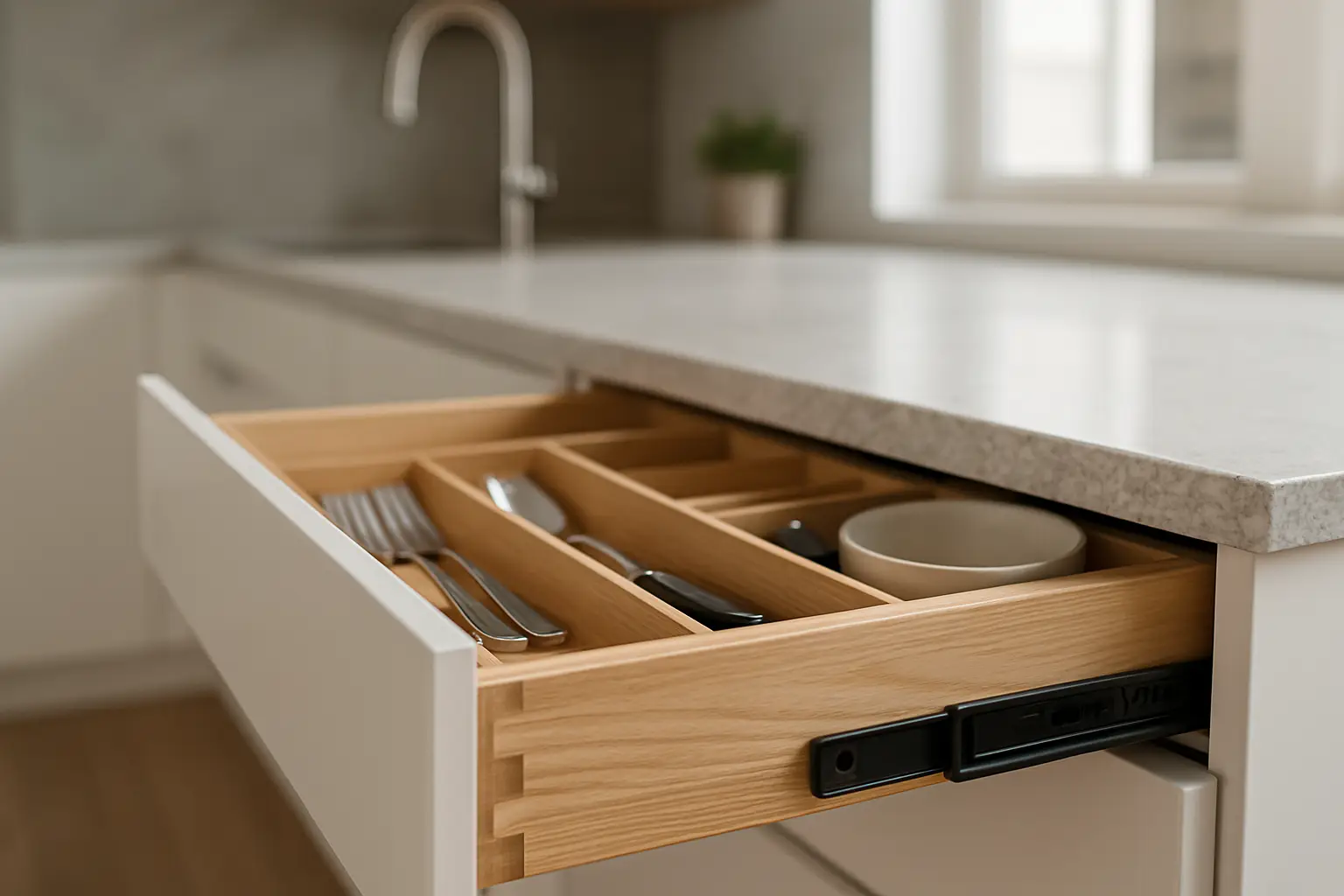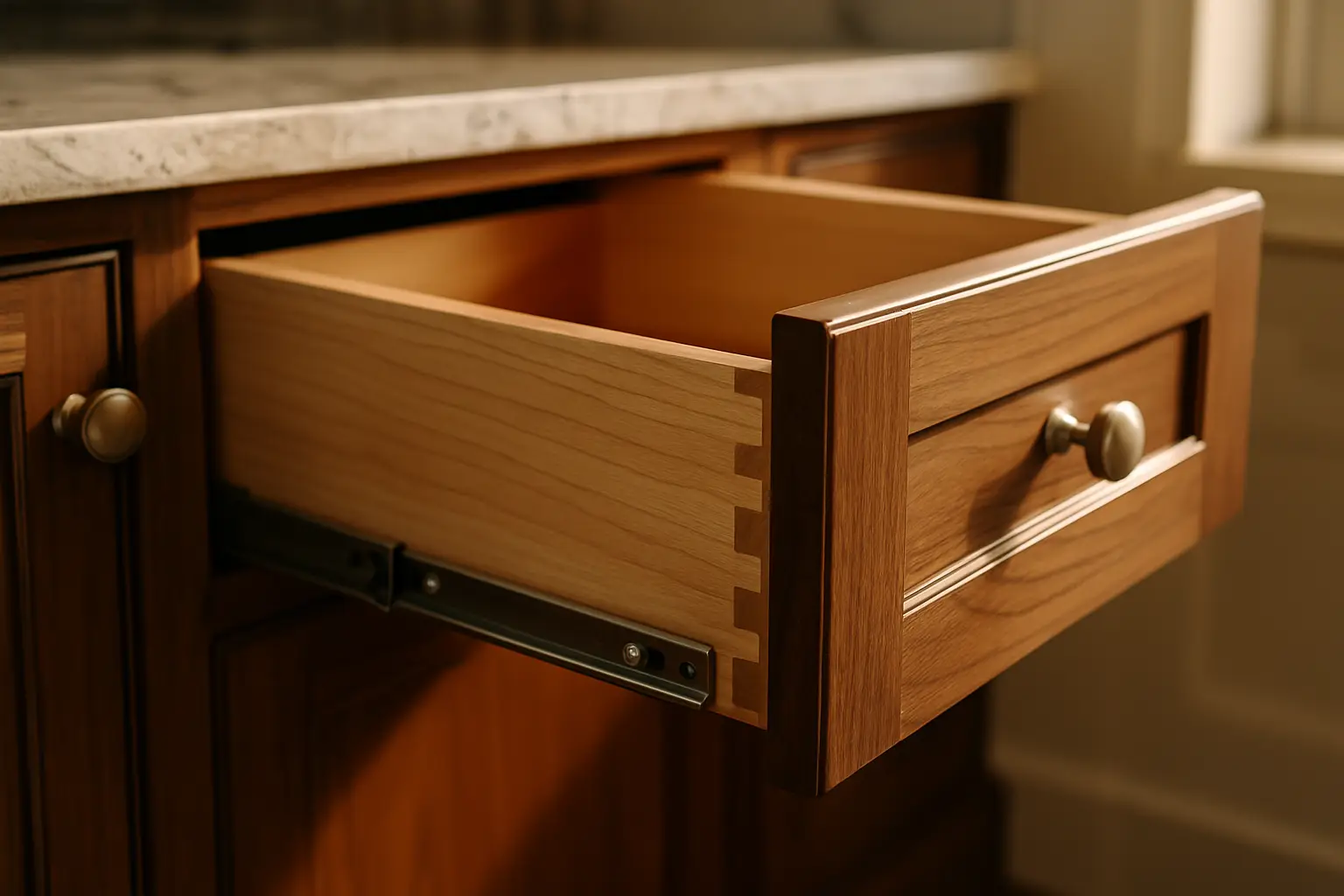
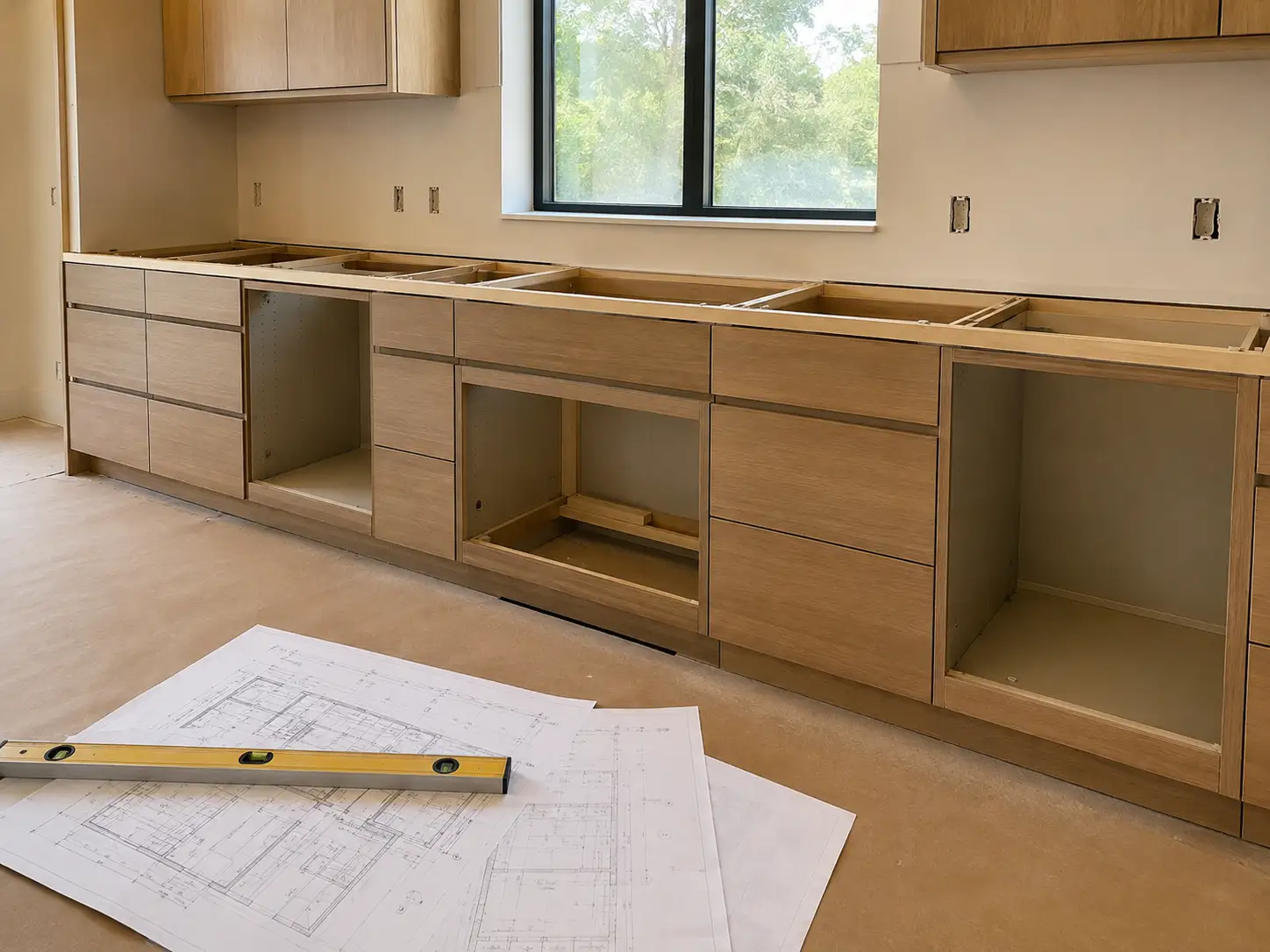
A cabinet hardware schedule should do more than list pulls and hinges. It should show where each item belongs, how it relates to the approved elevation, and which revision the project team is expected to use.
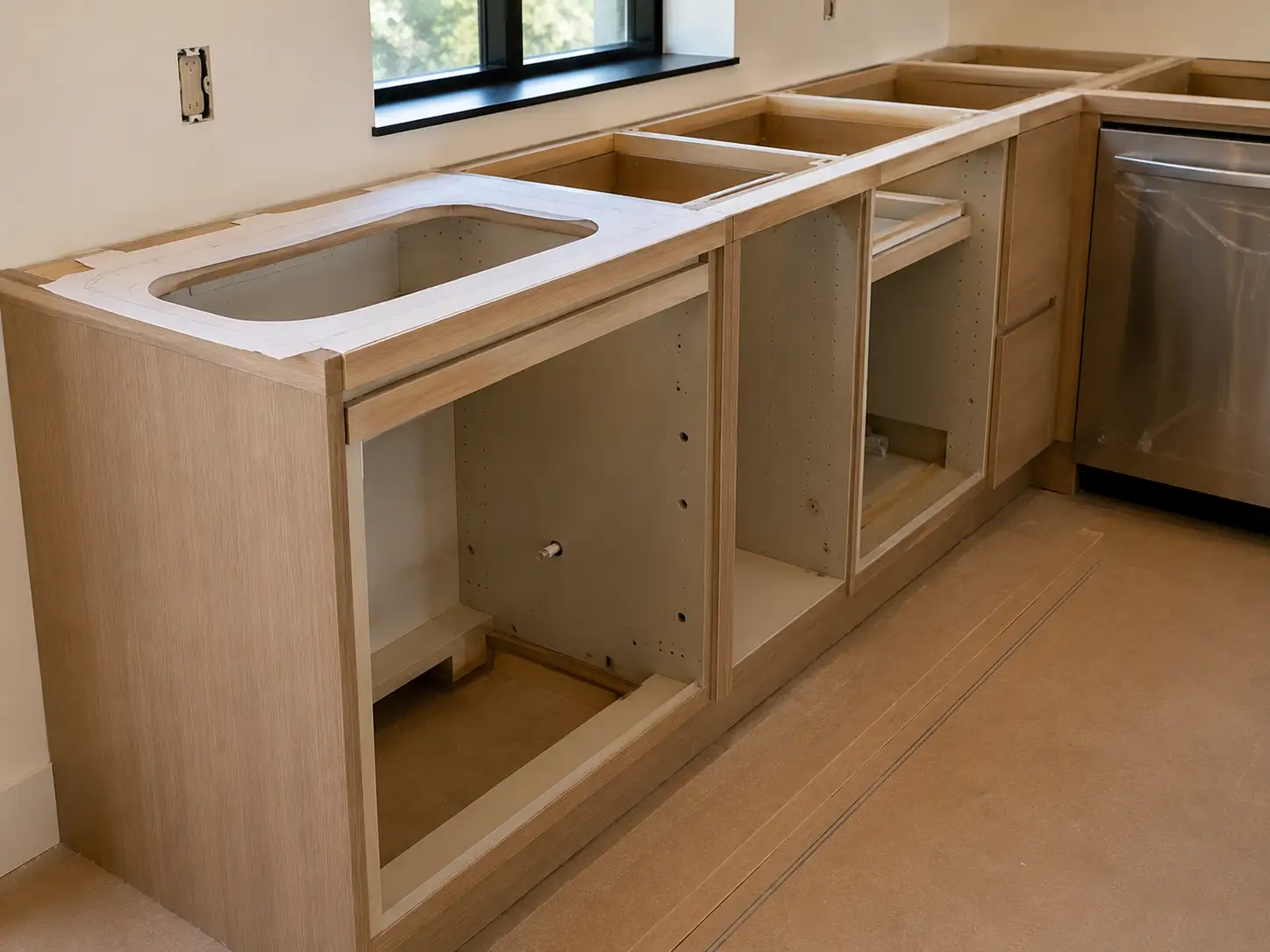
Connect every selection to a cabinet location Use room names and cabinet IDs that match the drawings. This makes it possible to distinguish similar doors, drawer banks, appliance panels, and specialty storage. Record the fields that control installation Depending on the project, useful fields may include hardware type, finish, length, orientation, quantity, mounting condition, and the drawing or sample reference. Avoid relying on product names alone. Review proportions on the elevation A pull that looks appropriate as a sample may read differently across tall doors, small drawers, or mixed front sizes. Review scale and alignment on the cabinet elevation before final release. Track substitutions and revisions visibly If availability or design decisions change, record the affected cabinet IDs and revision date. Superseded schedules should remain identifiable so they are not mistaken for the active selection. Coordinate drilling and field responsibilities Confirm who supplies the hardware, who establishes drilling information, and who installs or adjusts it. Exact requirements depend on the cabinet and hardware systems involved.
FAQ
Q1: What belongs in a cabinet hardware schedule?
A1: Include locations, cabinet IDs, hardware types, finishes, sizes or configurations, quantities, orientations, references, and revision information appropriate to the project.
Q2: Should hardware be approved from samples alone?
A2: Samples are useful, but elevations help the team evaluate proportion, alignment, and repeated relationships across the full cabinet design.
Q3: How should a hardware substitution be recorded?
A3: Identify the replacement, affected cabinet locations, approval, date, and any drilling or installation impact.