A cabinet warranty is useful only when its covered products, exclusions, remedy, labor terms, and claim process are clear. This buyer's guide explains how to compare those details before choosing a cabinet manufacturer.
Start With Scope, Not the Headline
Terms such as limited lifetime, long-term, and comprehensive sound reassuring, but the scope controls what the warranty actually does. First identify the product covered. A policy may apply to one cabinet line, one material system, or one purchaser type rather than every product a company sells.
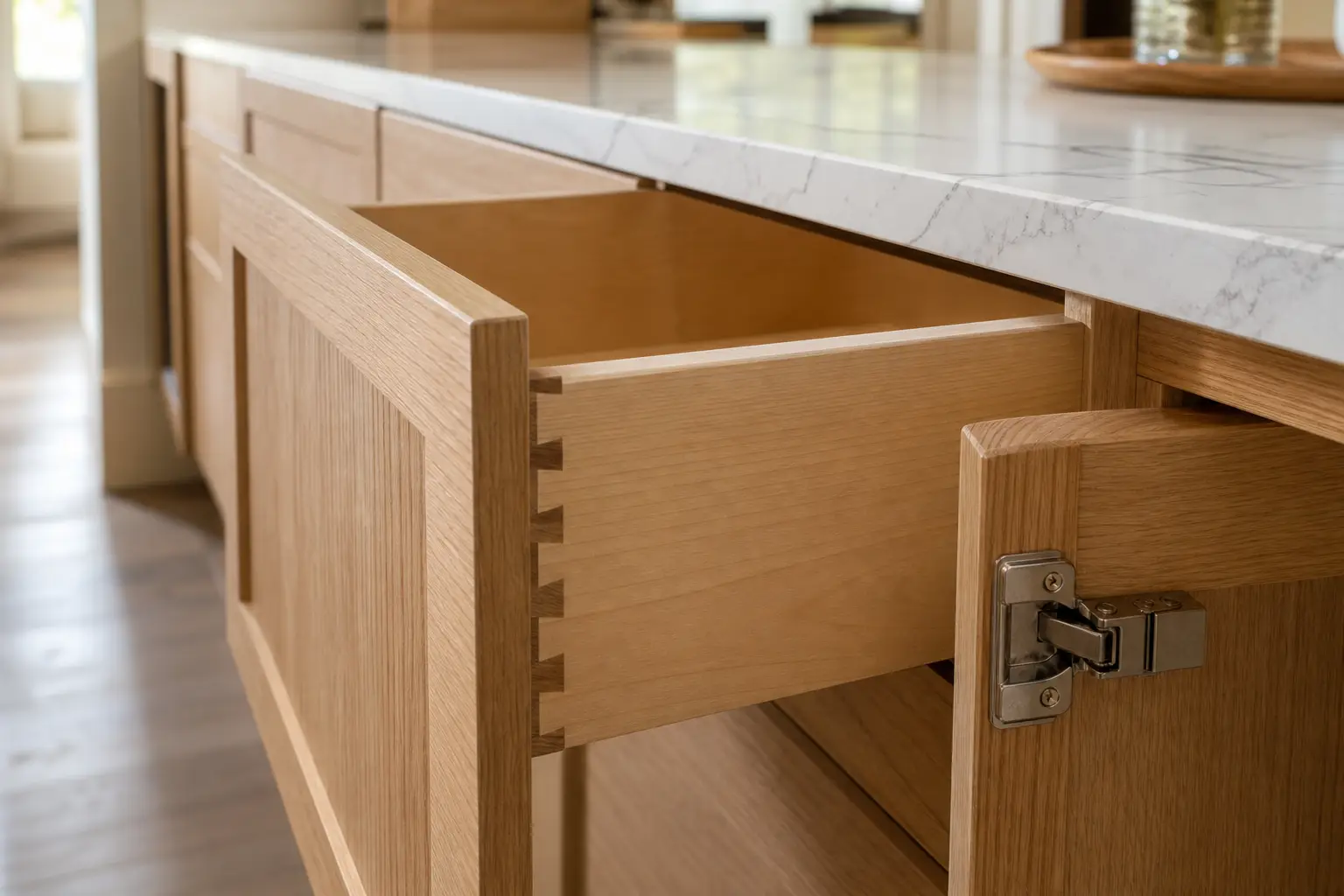
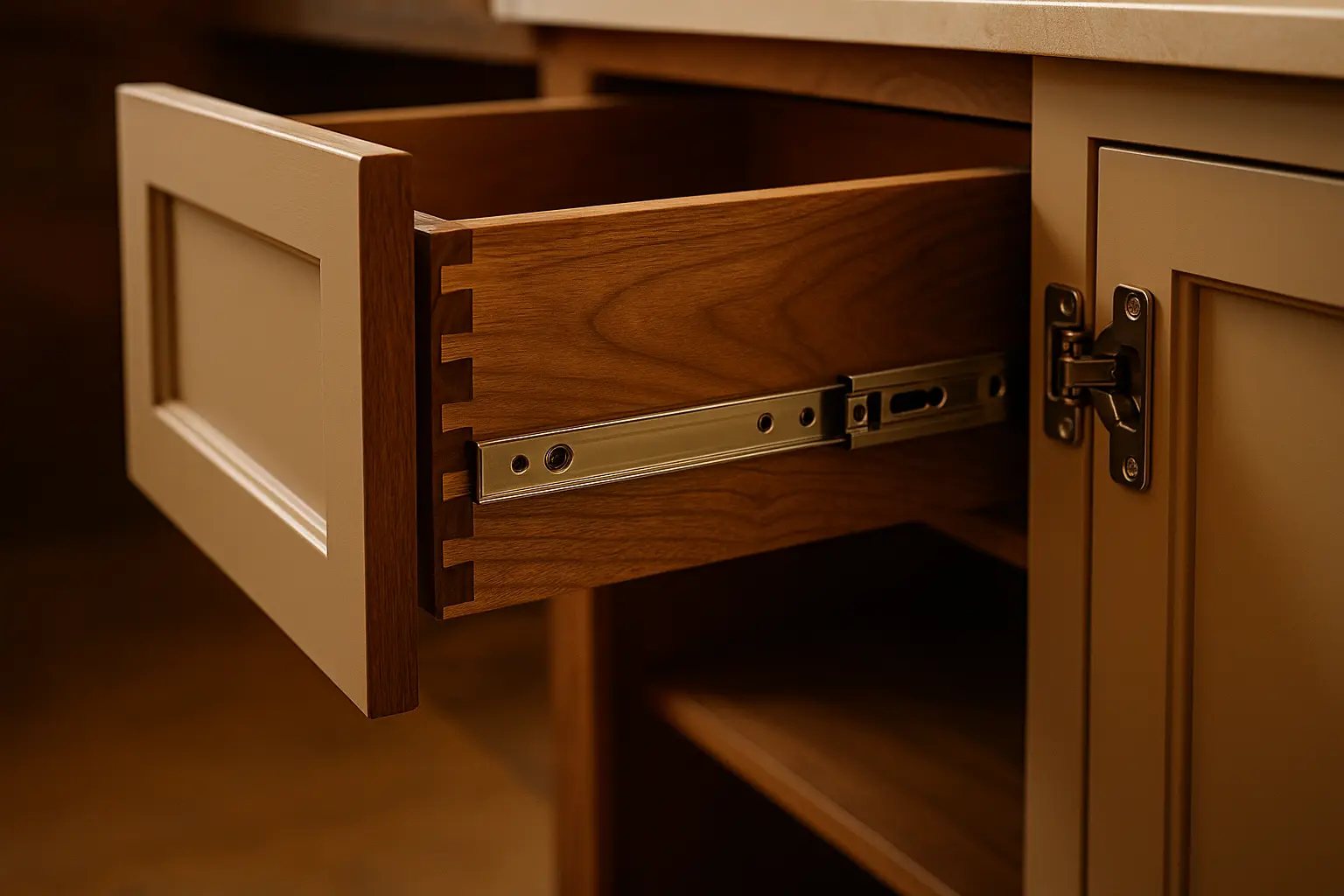
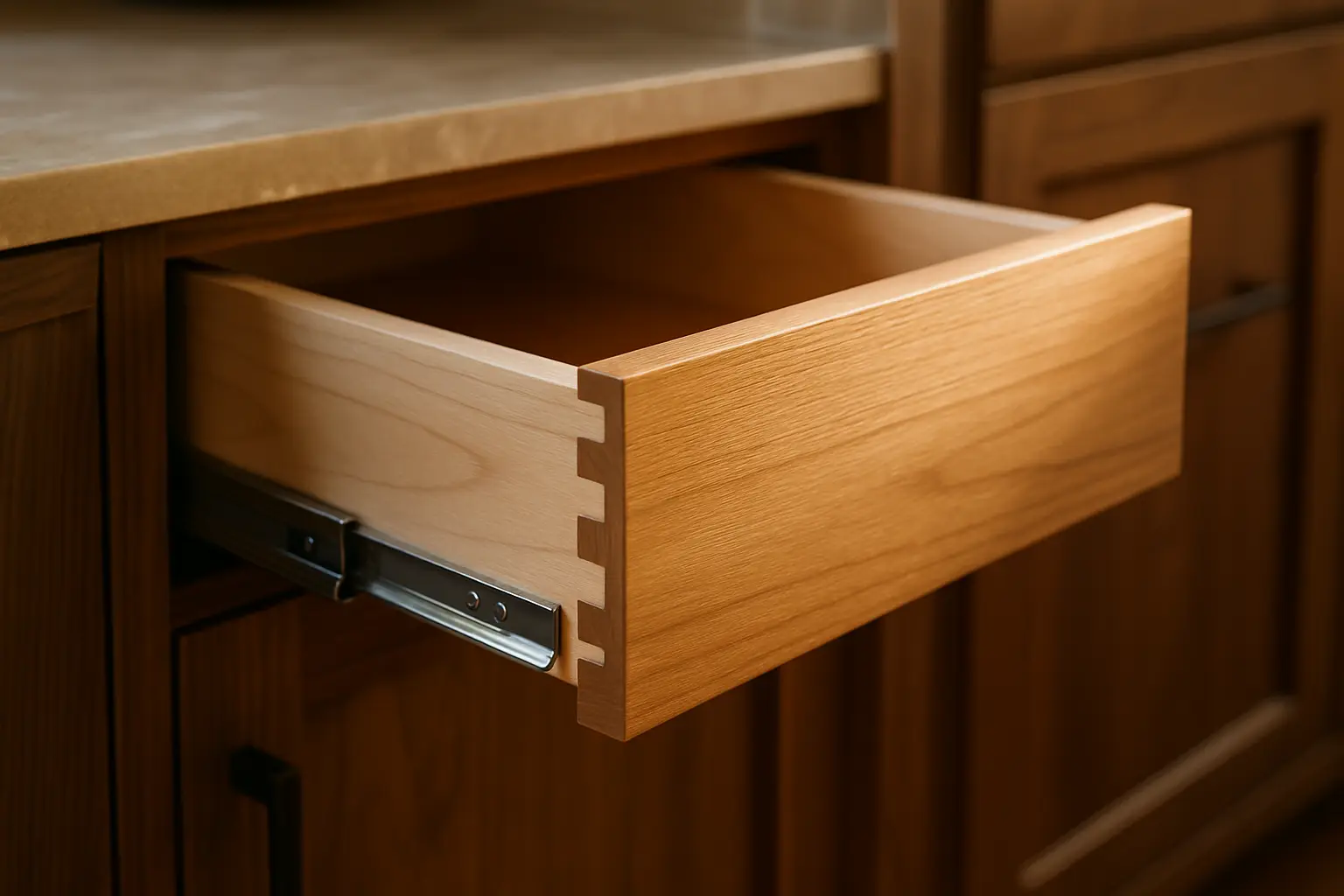
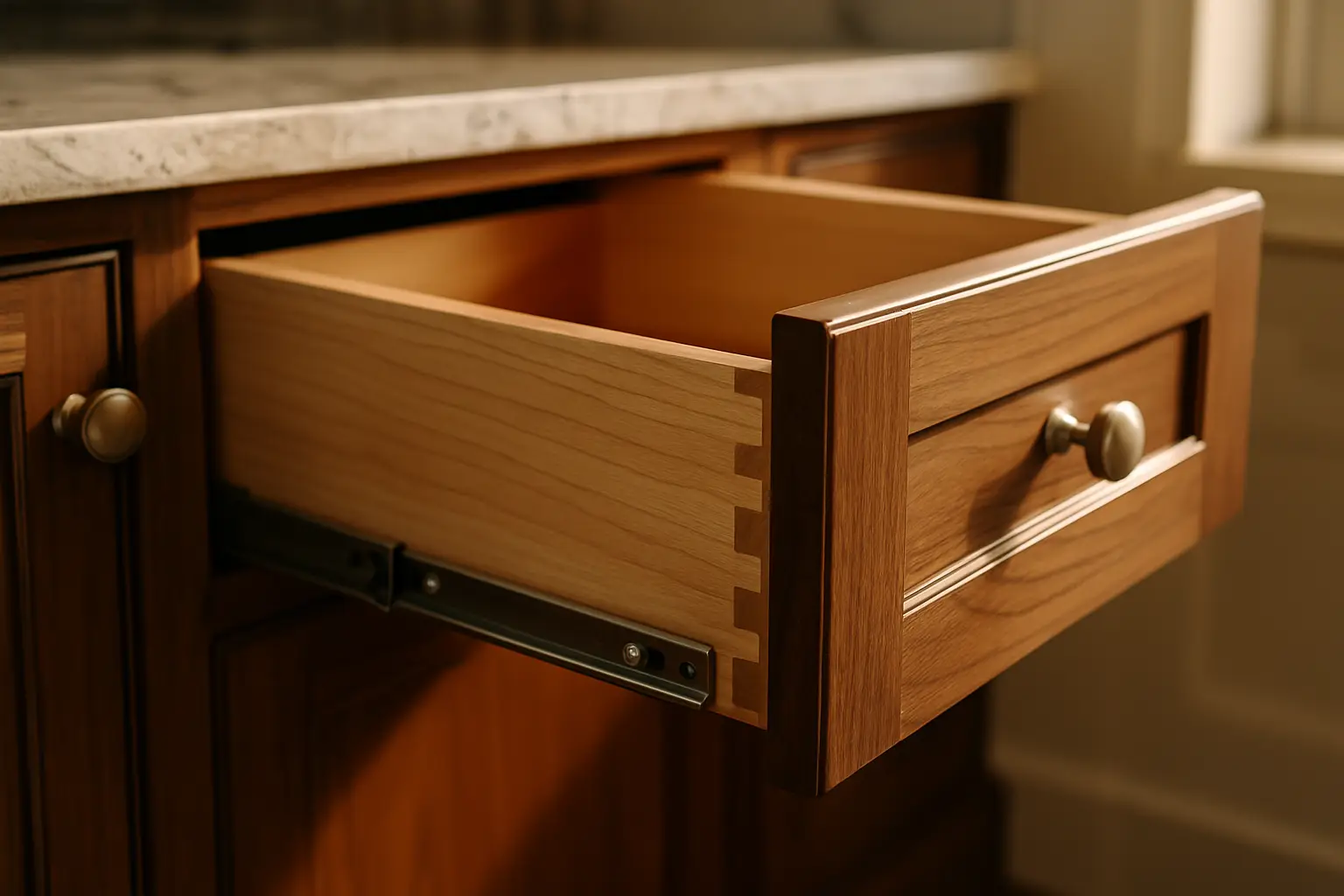
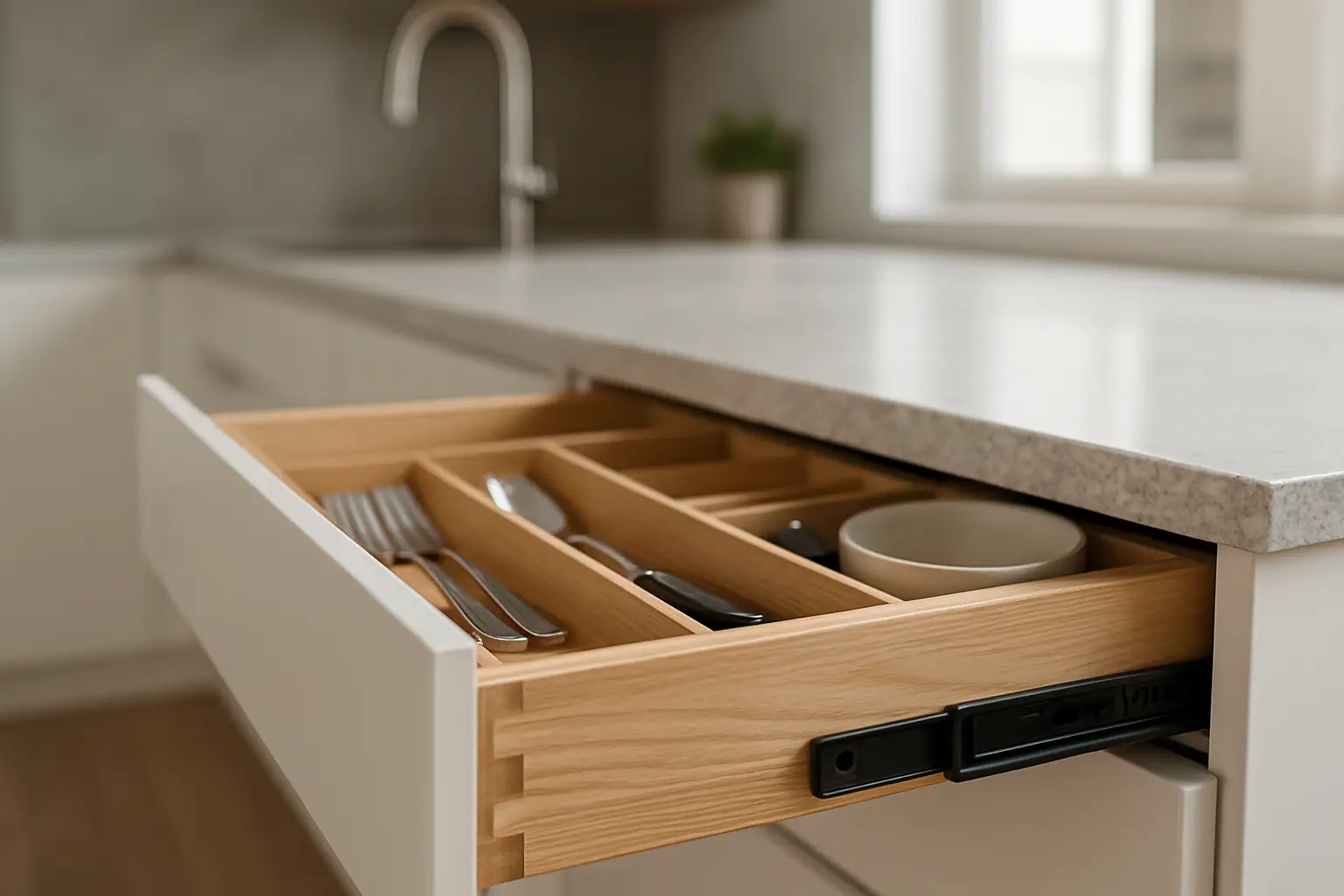
Next identify the covered components. Cabinet boxes, structural parts, doors, drawer fronts, shelving, finishes, hinges, slides, and standard hardware may be treated differently. A useful policy names the components instead of relying on a broad phrase such as materials and workmanship.
The written remedy matters too. A manufacturer may repair the defective component, replace it with the same product, or substitute a comparable product when the original is no longer available. Replacement color, grain, or finish can vary. Those details affect expectations years after installation.
Separate Product Coverage From Installation Coverage
Product defects and installation workmanship are different risks. A component warranty can cover a confirmed manufacturing defect while excluding the labor needed to remove and reinstall the component. Shipping, access, demolition, finishing by other trades, and contractor fees may also sit outside product coverage.
Installation workmanship often has its own duration and conditions. It may apply only when the manufacturer or an authorized installer performed the work. Problems caused by house movement, water, another trade, later modification, or normal adjustment may not qualify as installation defects.
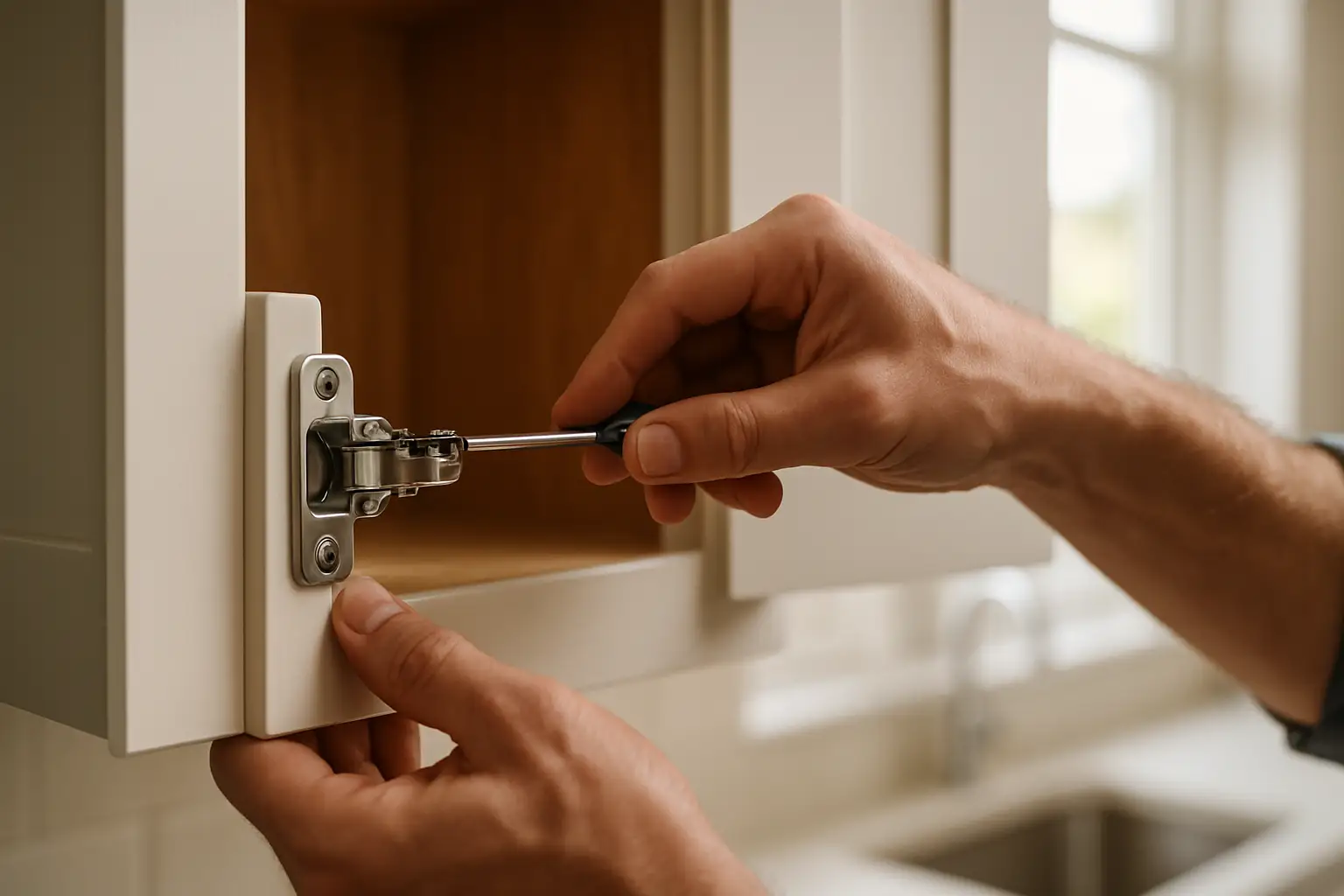
Ask the manufacturer to walk through a realistic claim: if a door or slide is approved for replacement, who supplies the part, who removes the old part, who installs the replacement, and who pays for each step? The answer is more useful than the warranty duration by itself.
Read Exclusions Before You Choose Materials
Most warranties distinguish defects from use or environmental damage. Water leaks, standing moisture, steam without ventilation, harsh cleaning products, impact, direct sunlight, extreme temperatures, and unauthorized modifications are common exclusions. Natural changes in wood color, grain, texture, and movement may also be treated as characteristics rather than defects.
These limits should influence specification decisions. Materials near sinks, dishwashers, ranges, and high-use work areas need to match their environment. Care instructions matter because failing to follow them can affect coverage. Keep the approved cleaning and ventilation guidance with the project records.
Evaluate the Claim Process and Service Capacity
A strong claim process states what the customer submits, how the company evaluates the issue, and what happens after approval. Proof of purchase, installation date, property address, photographs, and a written description are common requirements. Save those records when the project closes instead of reconstructing them after a problem appears.
Service capacity is a separate buying factor. Ask where claims are handled, whether inspection is available, how replacement specifications are retrieved, and what response and resolution windows the company actually commits to. Local manufacturing can make inspection and part matching more practical, but location does not override the written exclusions or labor terms.
American Built Cabinets publishes its current terms on the Warranty and Support page. That page, together with the signed project documents, controls the scope of company coverage. Review it before purchase and request clarification in writing when a project condition is not addressed.
FAQ
Q1: What should I compare in a cabinet warranty?
A1: Compare the products and components covered, the definition of a defect, exclusions, available remedies, labor and shipping responsibility, transferability, duration, and the documents required for a claim. Do not rely on the headline term alone.
Q2: Does a cabinet product warranty normally include installation labor?
A2: Not necessarily. Product and component coverage can exclude removal, reinstallation, shipping, and contractor fees. Installation workmanship may have a separate term. Read both sections and ask who pays for each step of an approved claim.
Q3: What problems are commonly excluded?
A3: Common exclusions include normal wear, misuse, improper care, unauthorized modifications, excessive moisture, steam, extreme temperatures, impact damage, environmental color change, and damage caused by other trades. The controlling warranty document defines the actual exclusions.
Q4: Why does the claim process matter?
A4: A clear process tells you what proof is required, who inspects the issue, who decides the remedy, and whether the result is repair or replacement. Ask for the process in writing before purchase and keep the contract, installation date, and product records.
Q5: Is a limited lifetime warranty transferable?
A5: Many are limited to the original purchaser and end when the property is sold or transferred. Transferability varies, so confirm it in the written warranty rather than assuming the coverage follows the home.