California modern is less a single style than a set of instincts: light, natural materials, a connection to the outdoors, and restraint that reads as calm rather than cold. For 2026, Bay Area kitchens in San Jose, San Francisco, and San Mateo are leaning harder into warm woods, quieter color, and cabinetry that hides its own hardware. This guide covers the materials and door styles driving the look this year, the color moves worth making, and how to plan a project so the design survives contact with a real Bay Area floorplan and budget.
Defining the California Modern Look for 2026
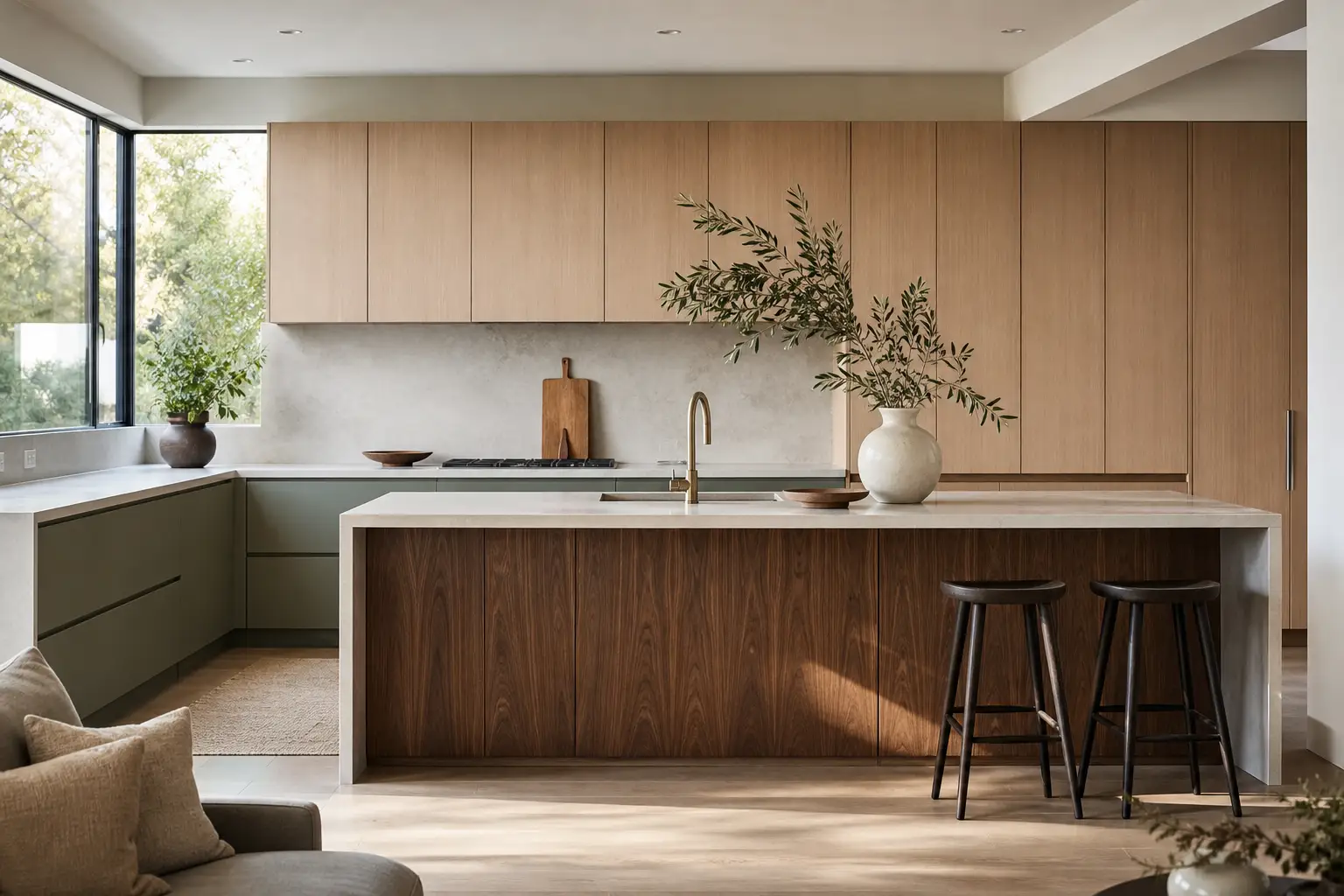
California modern grew out of midcentury architecture and the state's indoor-outdoor climate, and the 2026 version keeps that DNA while dialing down anything that shouts. Think horizontal lines, flat and slab door fronts, natural wood grain left visible, and a palette pulled from the landscape rather than a trend deck. The kitchens that feel current this year are quiet. They let the materials do the talking, and they avoid the busy hardware and heavy ornament that date a room fast.
What separates this year's take from the all-white minimalism of a few years back is warmth. Pure white gloss has given way to natural oak, soft matte paint, and stone with gentle veining. The result feels lived-in rather than clinical, which suits how Bay Area families actually use a kitchen as the center of the house. Restraint is still the rule, but it is a warmer restraint.
Materials Driving the Year
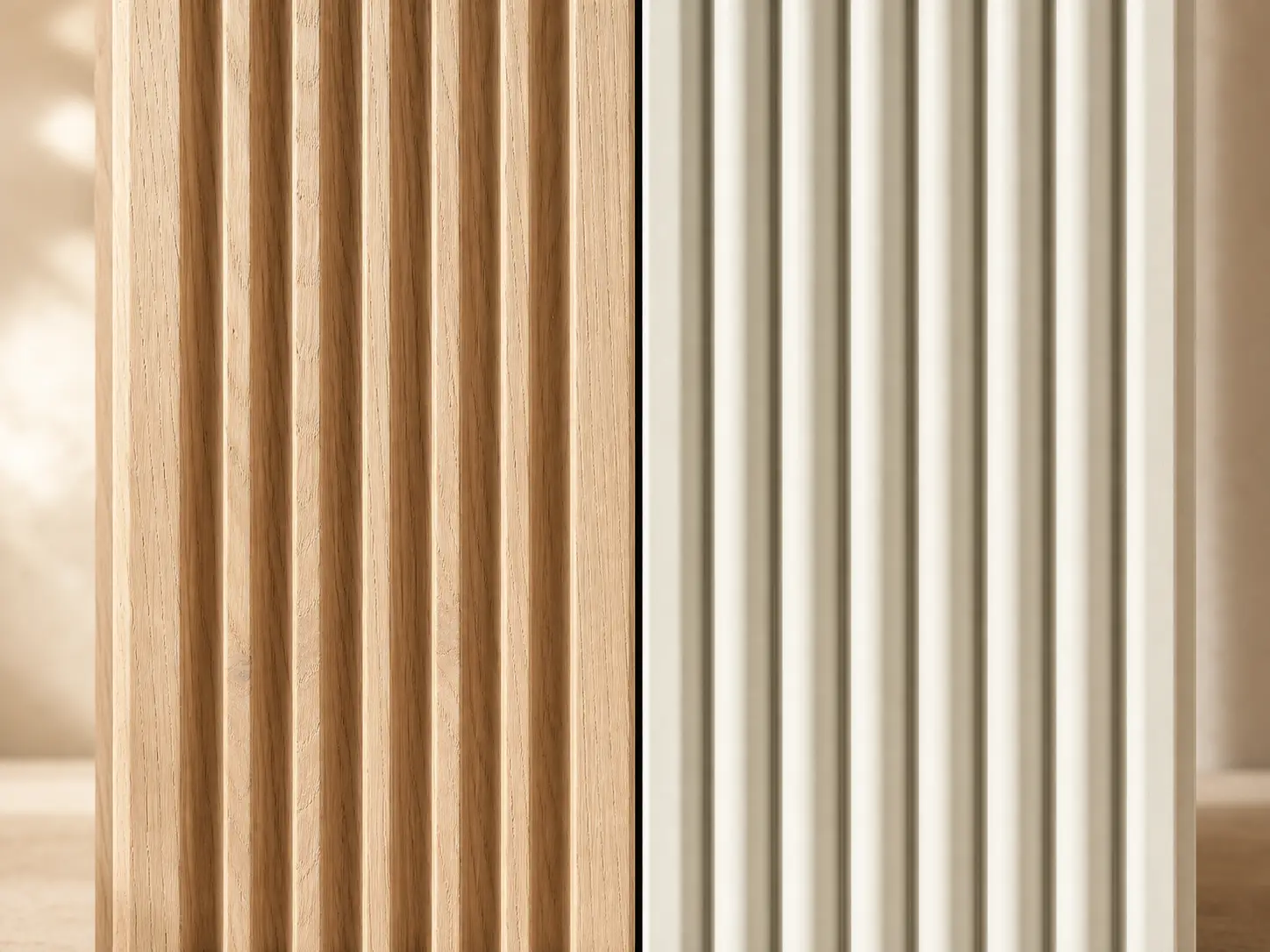
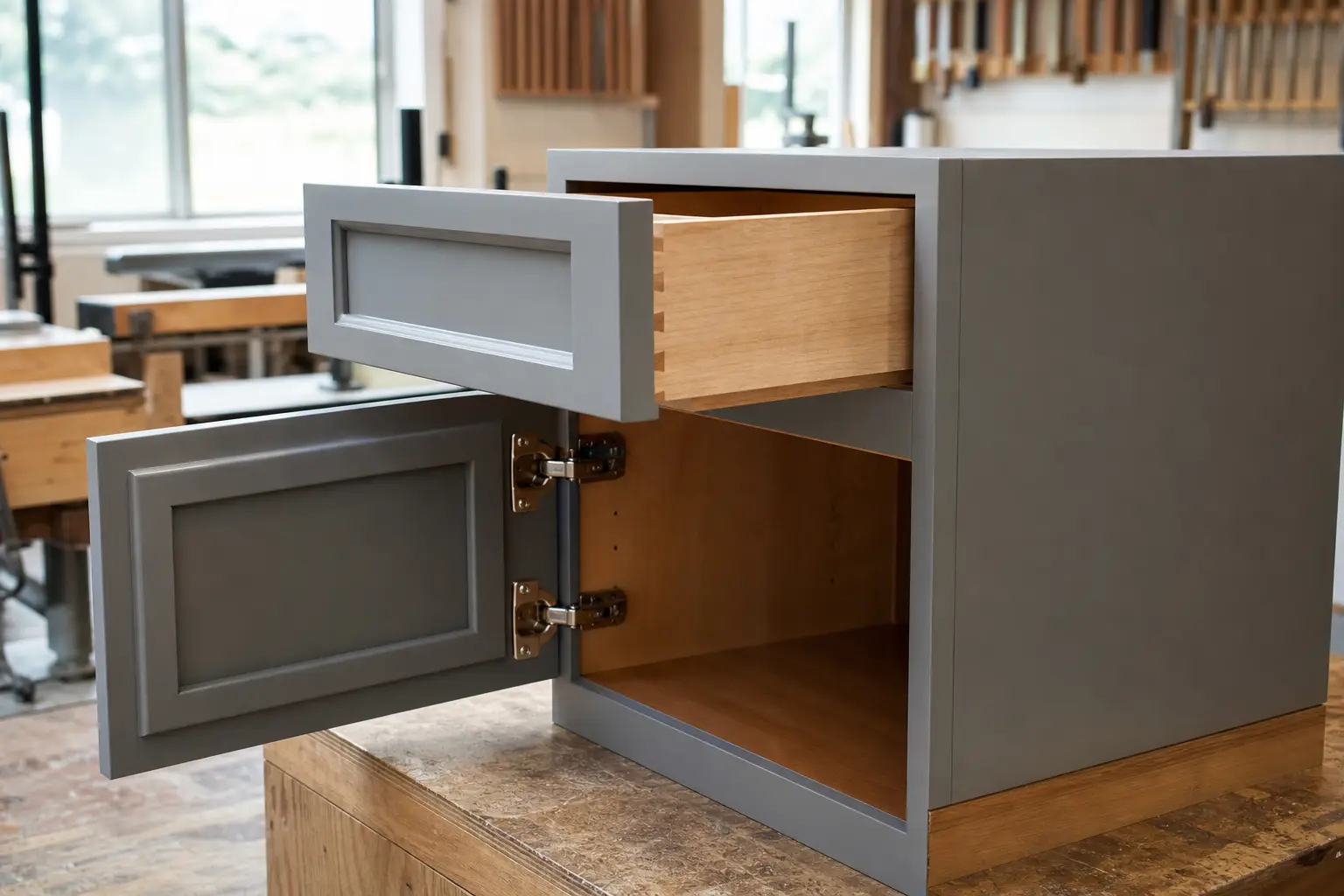
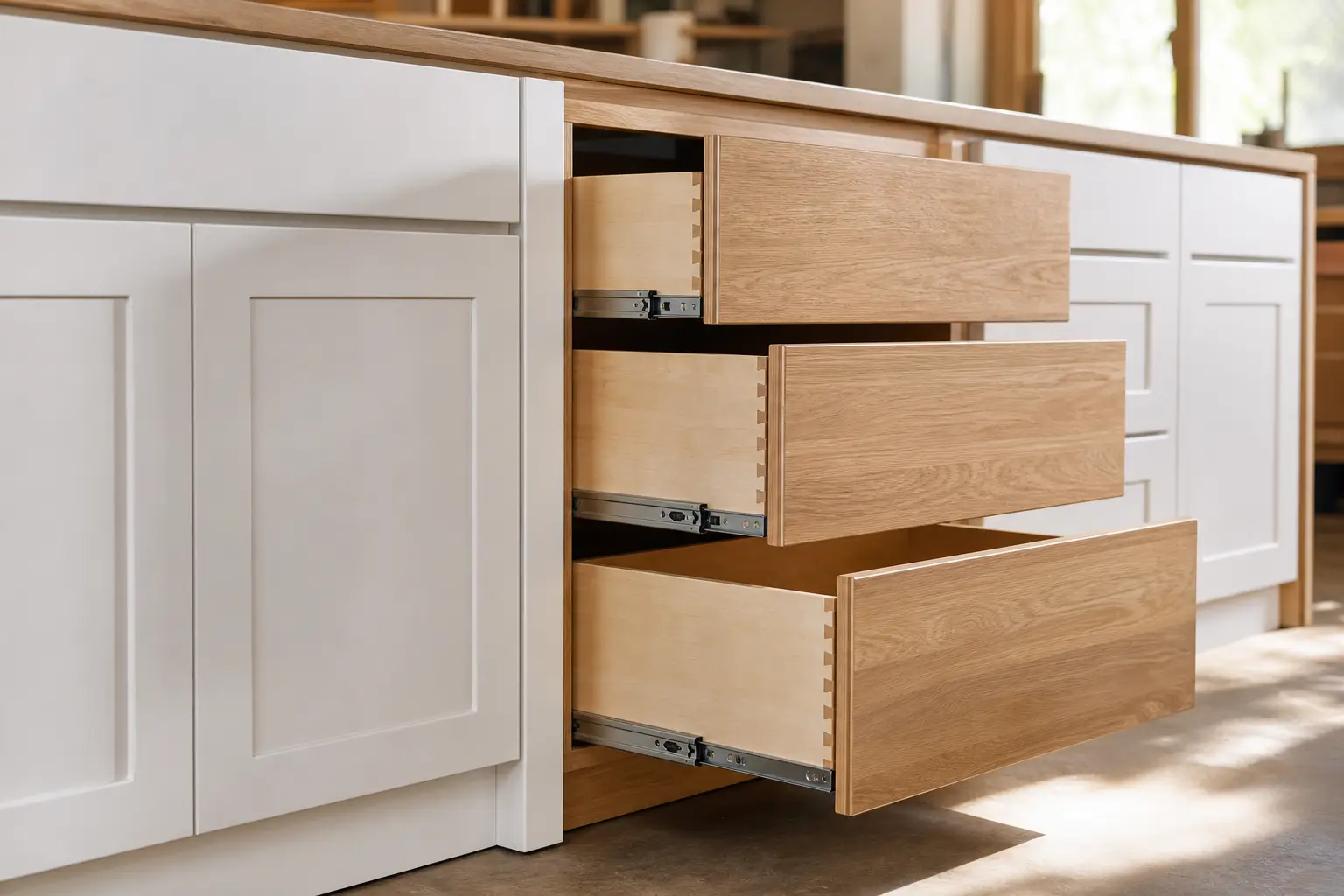
Wood is the headline. Rift and quarter-cut white oak, with its straight, calm grain and light natural finish, is the defining cabinet material of 2026 California kitchens. Walnut plays the supporting role, showing up on islands and single accent runs where its deeper tone adds warmth without taking over. Building these as veneer over 3/4-inch plywood keeps large flat panels dead flat and lets the grain run continuous across a bank of doors, which a solid glue-up cannot always promise.
For painted elements, MDF remains the smoothest substrate because it has no grain to telegraph and no joints to crack, giving the flawless matte face the look depends on. On surfaces, quartz still does most of the work for its durability and consistency, while porcelain slab is climbing for very thin profiles, waterfall edges, and heat resistance next to a cooktop. Across the board, honed and matte finishes are reading as more current than high gloss, and lighter stone keeps rooms feeling open under the region's abundant natural light.
Color and Door Styles Worth Choosing
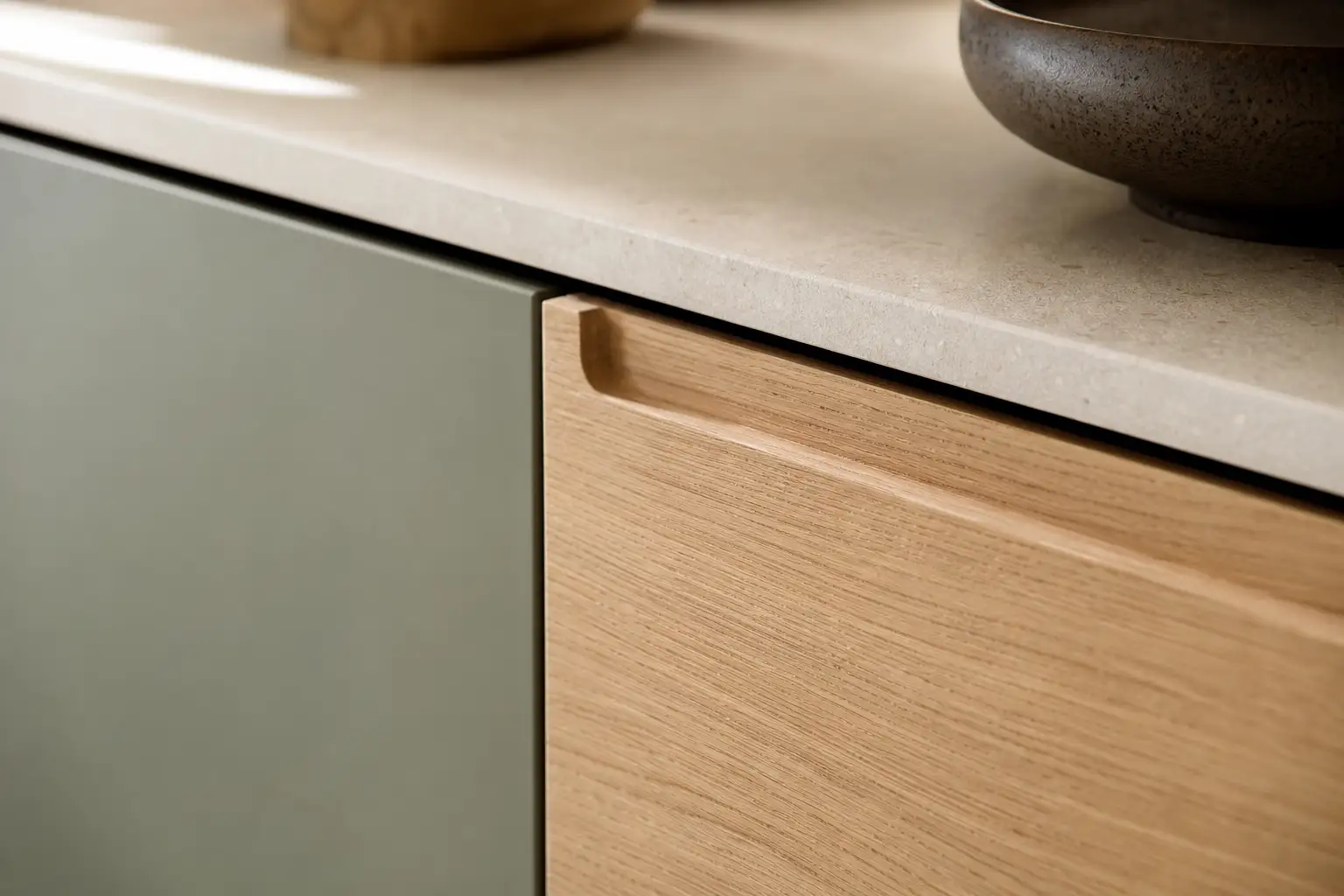
The door itself is getting simpler. Full slab fronts and flat-panel doors dominate, often on frameless boxes so the fronts sit close together and read as one continuous surface. Where a shaker is used, it is a tight, modern shaker with a narrow rail rather than a wide traditional profile. Handleless designs are common, achieved either with integrated finger pulls machined into the door edge or with push-to-open touch latches, both of which keep the face uninterrupted.
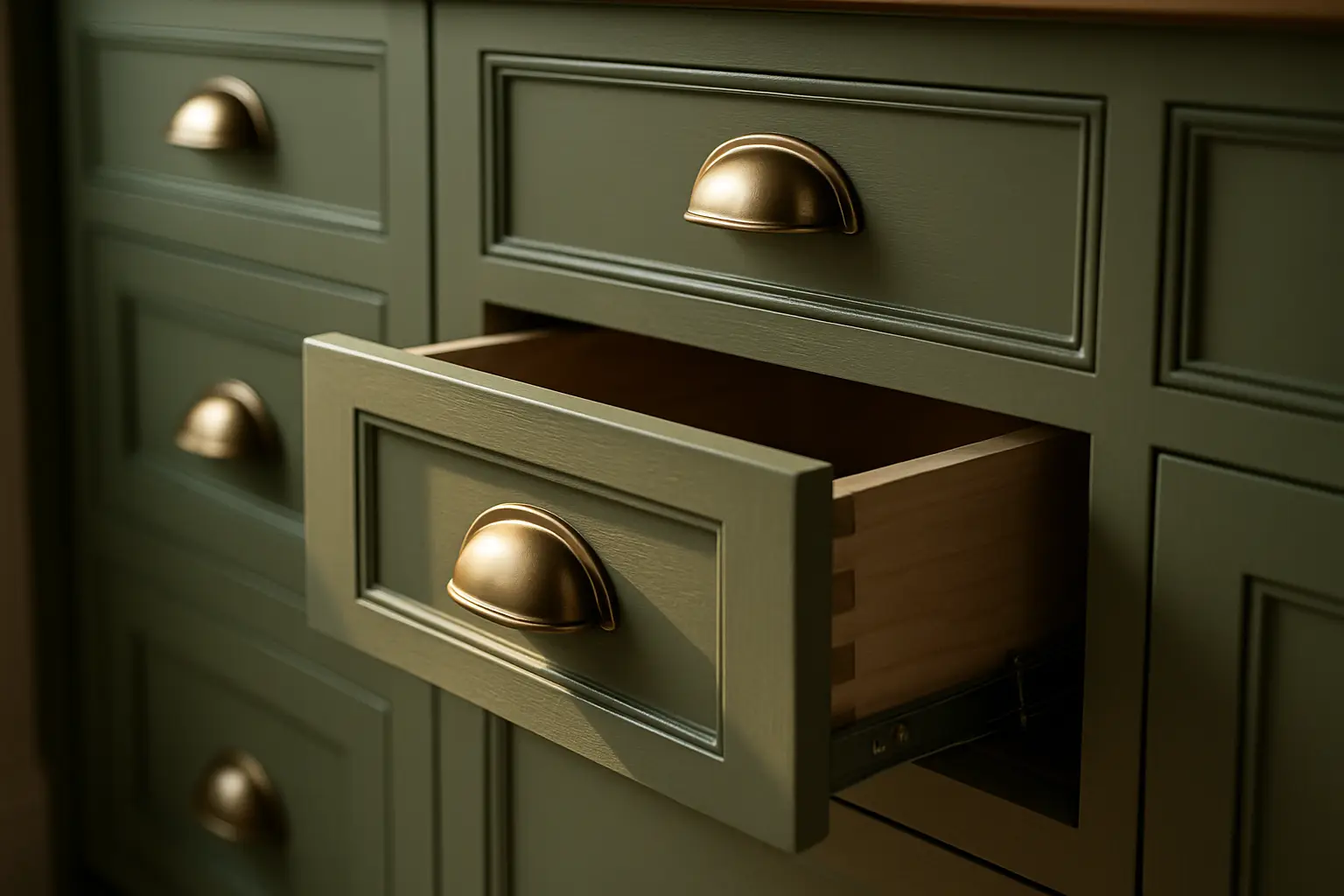
On color, 2026 rewards subtlety. Two-tone kitchens are alive but softer: a natural oak perimeter with a painted island in muted sage, clay, warm greige, or a deep quiet green, rather than a stark white-over-navy contrast. Monochrome wood kitchens are also having a moment, where every cabinet is the same oak and the interest comes from grain direction and the counter. The unifying idea is a small, deliberate shift in tone or material, not a collision.
Planning for Real Bay Area Homes and Budgets
A design magazine kitchen assumes a rectangular room with plumb walls and a standard 8-foot ceiling. Many Bay Area homes offer none of those. Older San Francisco flats have out-of-square walls and tall ceilings; Eichler-era Peninsula homes have their own module and exposed structure; newer builds vary. This is where the clean California modern look either succeeds or falls apart, because tight reveals and handleless fronts expose every misalignment. Custom sizing is not a luxury on these projects, it is what makes the flat, continuous look actually land.
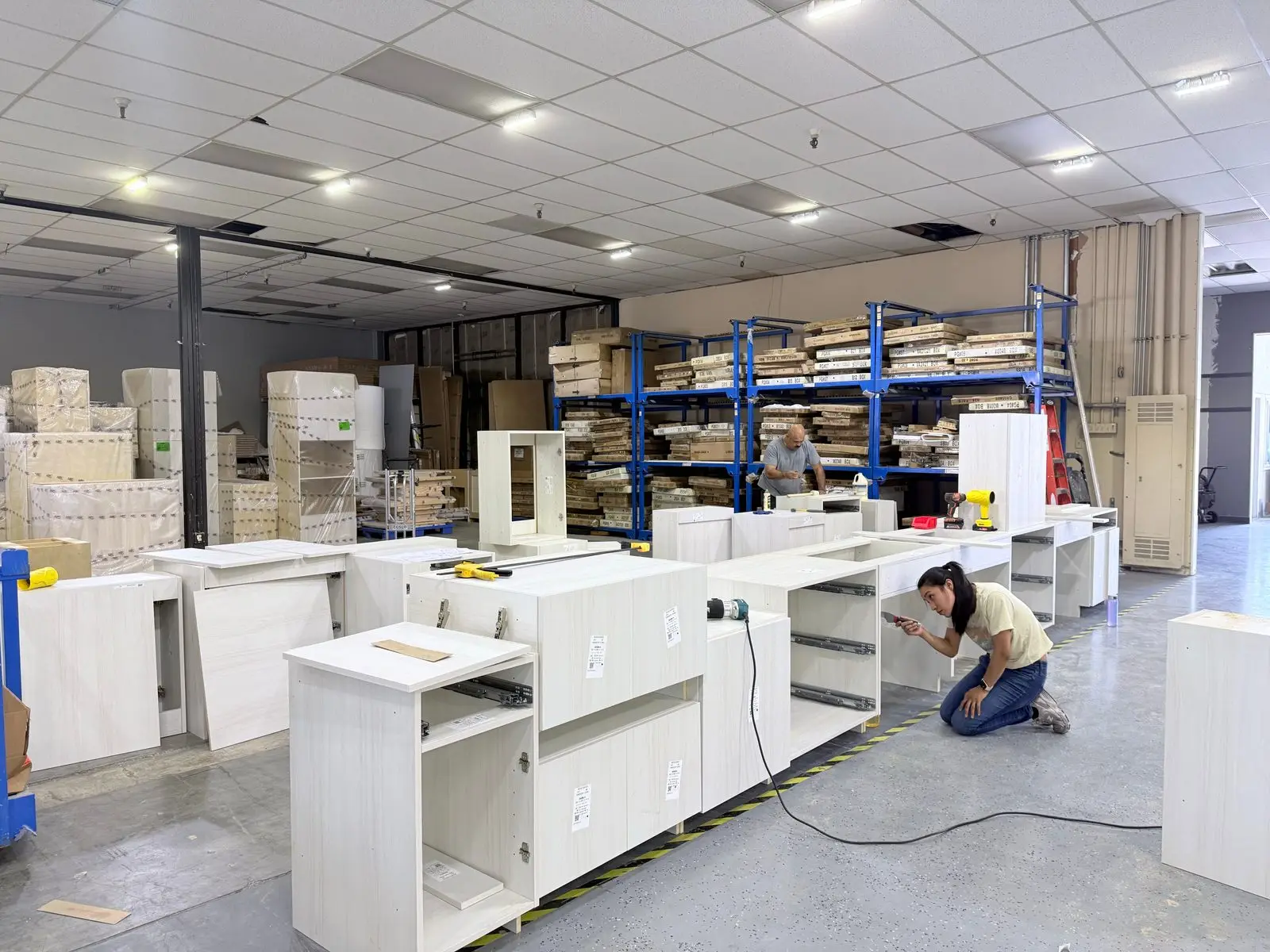
Budget planning follows the same logic. The look leans on quality substrates and hardware, so it is worth spending on the plywood boxes, the soft-close mechanisms, and the finish, and saving elsewhere if needed. Sequencing matters too: cabinets land after paint and before countertop templating, and a slip there stalls every trade behind it. Because American Built Cabinets produces every kitchen in its own San Jose shop, cabinet production runs about three weeks after drawings are approved, so the schedule stays predictable and the design that looked good on paper arrives on time and fits the room it was drawn for.
FAQ
Q1: What wood species read as California modern in 2026?
A1: White oak leads, usually in a rift or quarter cut for a straight, quiet grain and a light natural tone. Walnut brings warmth to islands and accent runs. Both work as solid wood or as veneer over plywood, which keeps large flat panels stable and holds the grain pattern continuous across doors.
Q2: Are two-tone kitchens still in style for 2026?
A2: Yes, but the contrast has softened. Instead of white uppers over a bold island, the common 2026 move is a natural wood perimeter with a painted island in a muted green, clay, or warm greige, or the reverse. The goal is a subtle shift in material and tone, not a hard color clash.
Q3: What countertop materials pair best with California modern cabinets?
A3: Quartz remains the workhorse for its consistency and low maintenance. Porcelain slab is gaining ground for very thin waterfall edges and heat resistance. Both suit the clean look. Honed or matte surfaces read more current than high gloss, and lighter veined stone keeps the room feeling open.
Q4: How do I get the handleless look without losing function?
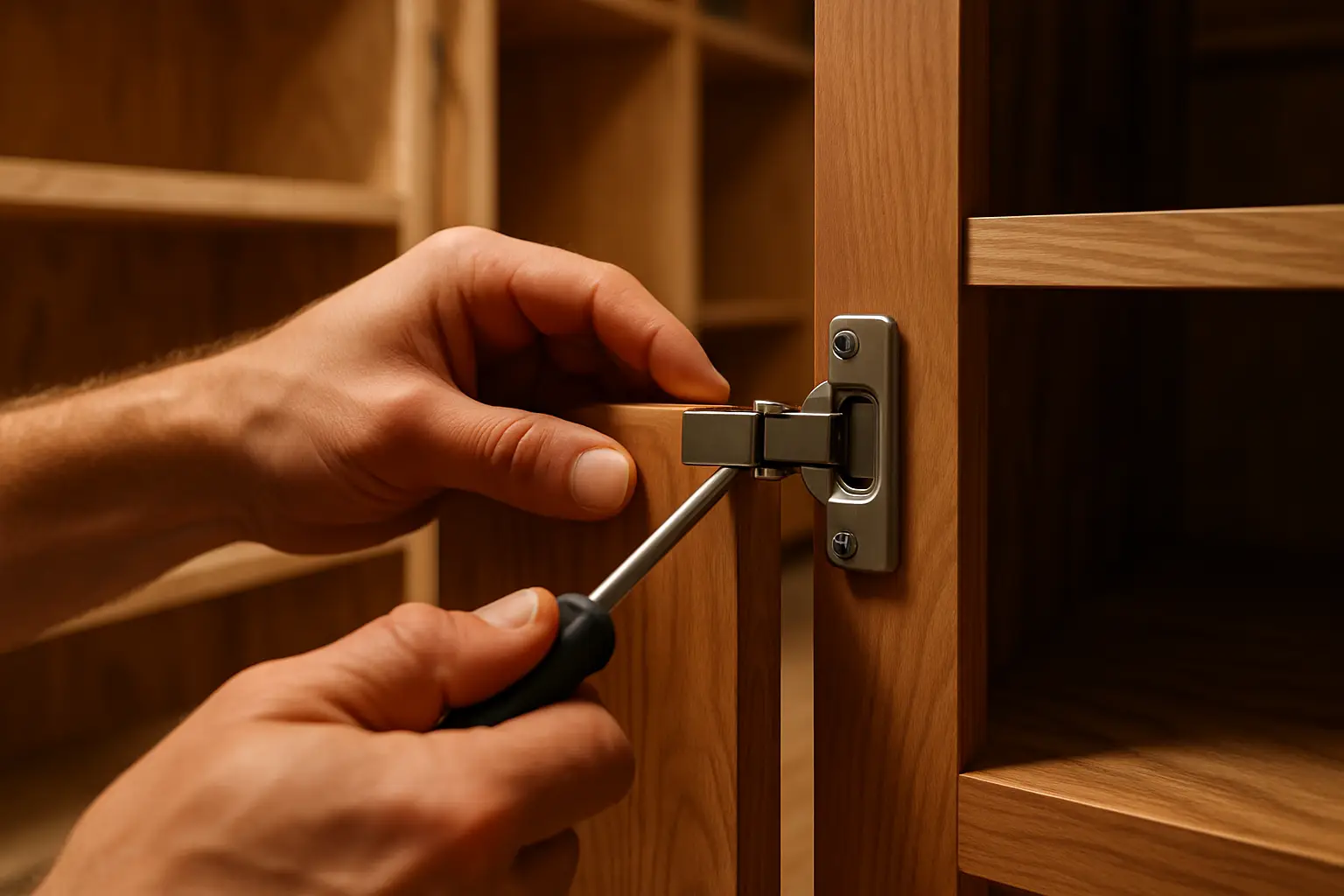
A4: Two paths. Integrated finger pulls machine a channel into the top or edge of the door, keeping a fully flat face. Touch-latch and servo-drive mechanisms open doors and drawers with a push. Both need frameless construction and precise door reveals, which is why build quality matters more on handleless designs.
Q5: What is a realistic timeline for a California modern kitchen in the Bay Area?
A5: Design and selections usually take a few weeks depending on how quickly finishes are approved. Because we manufacture in San Jose, cabinet production runs about three weeks after drawings are signed off. Add installation, countertop templating, and finish trades, and a full kitchen commonly spans a couple of months.
Q6: Does the California modern look work in an older Bay Area home?
A6: It can, and it often looks better for the contrast. The clean cabinetry sits well against original wood floors, plaster walls, and older window trim. The key is custom sizing, since older San Francisco and Peninsula homes rarely have plumb walls or standard ceiling heights that stock cabinets assume.