
Kitchen Pantry Cabinet Solutions for Bay Area Homes and Businesses
Back
A kitchen pantry cabinet is essential for maximizing storage and organization in any kitchen, whether you’re renovating a San Mateo home or upgrading a Bay Area motel. This guide explains what a kitchen pantry cabinet is, explores popular options, and provides expert tips for choosing the right fit. Learn how to avoid common mistakes and make informed decisions for your next project.
What Is a Kitchen Pantry Cabinet? Definition and Best Uses
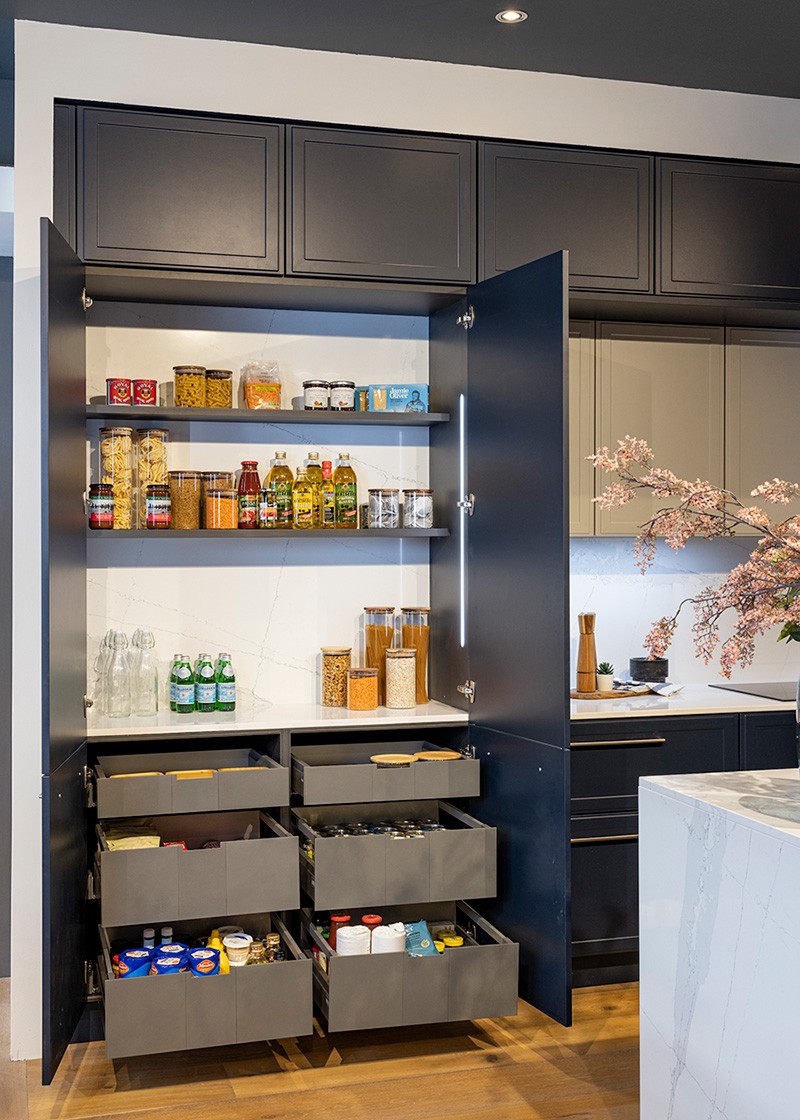
A kitchen pantry cabinet is a tall or base storage unit designed to hold food, cookware, and kitchen essentials. It helps keep kitchens organized and clutter-free, making it a must-have for homeowners, property managers, and contractors. These cabinets are ideal for kitchens, laundry rooms, garages, and even bathrooms needing extra storage. Quick checklist: - Identify your storage needs - Measure available space - Choose between tall, base, or pull-out styles - Consider door swing and accessibility - Match cabinet finish to your kitchen - Plan for adjustable shelves or drawers Common mistakes: - Overlooking ceiling height - Ignoring door clearance - Choosing the wrong depth - Forgetting about ventilation - Not planning for future needs
Types of Kitchen Pantry Cabinets: Options and Comparisons
Kitchen pantry cabinets come in several styles, including tall pantry cabinets, base pantry cabinets, pull-out pantries, corner pantries, and wall-mounted units. Tall pantry cabinets offer maximum storage but require more vertical space. Base pantry cabinets fit under counters and are great for smaller kitchens. Pull-out pantries provide easy access but may have weight limits. Corner pantries maximize awkward spaces but can be harder to organize. Wall-mounted units save floor space but hold less. Best for: Tall pantries suit large families; base pantries fit compact kitchens; pull-outs are ideal for accessibility; corner units work in tight layouts. Tradeoffs include storage capacity, accessibility, and installation complexity. Common mistakes: - Selecting a style that doesn’t fit your kitchen layout - Underestimating installation requirements - Overloading pull-out shelves - Not considering door swing in tight spaces - Skipping hardware upgrades like soft-close hinges
How to Choose the Right Kitchen Pantry Cabinet: Step-by-Step Guide
Start by measuring your available space, including height, width, and depth. Consider your kitchen’s layout and traffic flow to determine the best location. Choose materials like solid wood, plywood, or MDF based on durability and budget. Decide on a finish—painted or stained—to match your décor. Select hardware such as soft-close hinges and full-extension slides for smooth operation. For installation, decide between RTA (ready-to-assemble), semi-custom, or custom cabinets. Measurement tips: Always measure twice, account for baseboards, and check ceiling height. Installation considerations: Allow for lead time, ensure wall studs are located, and plan for professional help if needed. If you’re in the Bay Area, local cabinet makers can help with on-site measurement and installation advice.
FAQ
Q1: What is the standard size for a kitchen pantry cabinet?
A1: Standard kitchen pantry cabinets are typically 84 to 96 inches tall and 18 to 24 inches deep, but custom sizes are available to fit unique spaces.
Q2: Can I get a custom kitchen pantry cabinet in San Jose?
A2: Yes, many local cabinet makers, including ABCabinet, offer custom kitchen pantry cabinets in San Jose to match your specific needs and space.
Q3: What materials are best for a kitchen pantry cabinet?
A3: Solid wood, plywood, and MDF are common choices. Solid wood is durable, plywood offers good value, and MDF is budget-friendly with a smooth finish.
Q4: How long does it take to install a kitchen pantry cabinet near San Mateo?
A4: Installation time varies, but most kitchen pantry cabinets can be installed within a day once delivered. Custom or complex projects may take longer.
Q5: What features should I look for in a modern kitchen pantry cabinet?
A5: Look for adjustable shelves, soft-close hinges, full-extension slides, and finishes that match your kitchen style. Consider pull-out drawers for easy access.
Dive Deeper into Real Estate Insights


