
Storage Cabinets: Smart Solutions for Bay Area Homes and Businesses
Back
Storage cabinets are essential for keeping spaces organized, whether you’re managing a motel in San Mateo or updating your San Francisco home. This guide explains what storage cabinets are, the options available, and how to choose the right fit for your needs. Learn how to avoid common mistakes and discover expert tips for selecting cabinets that work for kitchens, bathrooms, garages, and more.
What Are Storage Cabinets? Uses and Benefits
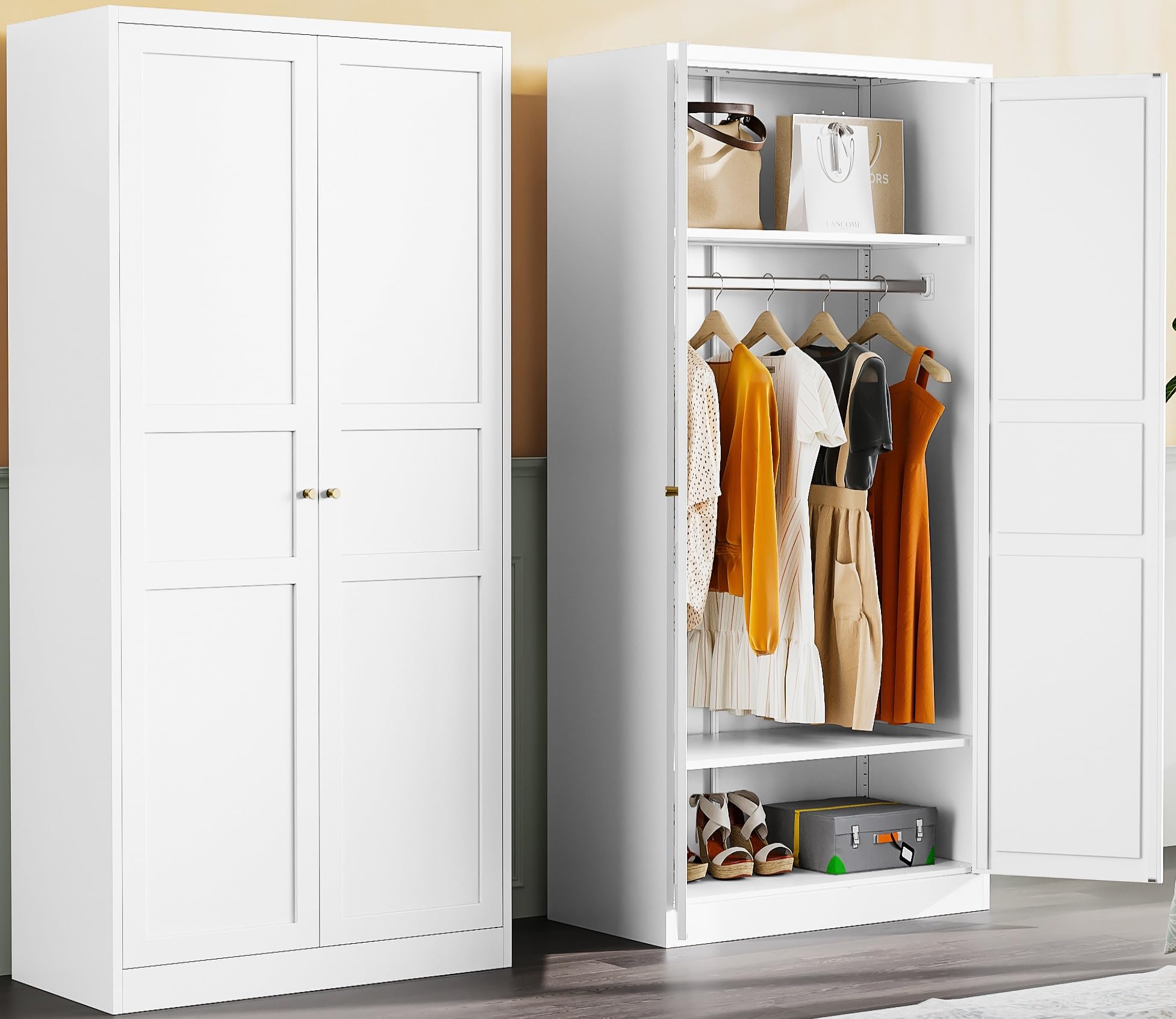
Storage cabinets are enclosed units designed to store and organize items in various spaces, from kitchens and bathrooms to garages and laundry rooms. They help reduce clutter and protect belongings from dust and damage. Anyone looking to maximize space—homeowners, property managers, or contractors—can benefit from well-chosen storage cabinets. Quick checklist: - Identify the room and purpose - Measure available space - Choose between wall-mounted or freestanding - Consider material durability - Match cabinet style to existing decor - Plan for future storage needs Common mistakes: - Overlooking precise measurements - Ignoring door swing clearance - Choosing the wrong material for humid areas - Forgetting about hardware quality - Not planning for future storage expansion
Types of Storage Cabinets: Options and Comparisons
There are several types of storage cabinets, each suited to different needs. Base cabinets are ideal for kitchens and bathrooms, offering sturdy storage at ground level. Wall cabinets save floor space and are perfect for pantries or laundry rooms. Tall cabinets provide vertical storage for garages or utility spaces. RTA (ready-to-assemble) cabinets are budget-friendly and flexible, while custom cabinets offer tailored solutions for unique layouts. Mini comparison: Base cabinets are best for heavy items but take up floor space. Wall cabinets maximize vertical space but require secure installation. Tall cabinets offer the most storage but may not fit in low-ceiling areas. RTA cabinets are cost-effective but require assembly; custom cabinets fit perfectly but have longer lead times. Common mistakes: - Selecting the wrong cabinet type for the space - Underestimating assembly time for RTA cabinets - Overlooking the need for full-extension slides - Ignoring finish options for high-moisture areas - Not comparing hardware like soft-close hinges
How to Choose Storage Cabinets: Step-by-Step Guide
Start by measuring your space carefully, noting ceiling height, wall length, and any obstructions. Sketch a basic layout to visualize cabinet placement. Next, select materials: plywood and solid wood are durable, while MDF is budget-friendly for painted finishes. Choose a finish—painted for a modern look, stained for natural wood grain. Hardware matters: opt for soft-close hinges and full-extension slides for ease of use. Decide between RTA, semi-custom, or custom cabinets based on your timeline and budget. For installation, ensure you have accurate measurements and consider professional help for complex layouts. If you’re in the Bay Area, local cabinet makers can assist with planning and installation to ensure a perfect fit. Common mistakes: - Skipping the measurement step - Choosing style over function - Not accounting for lead time - Overlooking installation complexity - Forgetting to check for warranty coverage
FAQ
Q1: What materials are best for storage cabinets in kitchens?
A1: Plywood and solid wood are popular for kitchen storage cabinets due to their durability and resistance to moisture. MDF is also used for painted finishes.
Q2: How do I choose storage cabinets for a garage in San Jose?
A2: Look for cabinets made from heavy-duty materials like plywood or metal, and ensure they have sturdy hardware. Consider local climate and storage needs in San Jose.
Q3: Are custom storage cabinets worth it for Bay Area homes?
A3: Custom storage cabinets offer a tailored fit and maximize space, which is valuable in Bay Area homes with unique layouts or limited space.
Q4: What is the typical lead time for storage cabinets near San Mateo?
A4: Lead times vary by manufacturer and cabinet type, but local providers near San Mateo can often offer faster turnaround for semi-custom or custom orders.
Q5: Can I install storage cabinets myself or should I hire a professional?
A5: Simple RTA cabinets can be installed by experienced DIYers, but for complex layouts or heavy cabinets, consulting a professional is recommended.
Dive Deeper into Real Estate Insights


